EN
EN
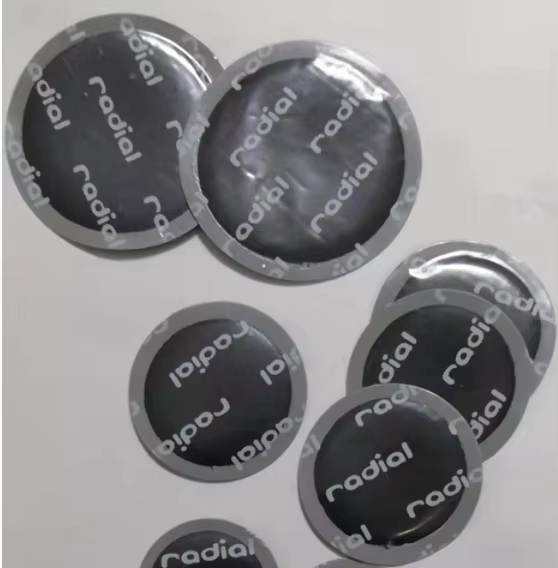
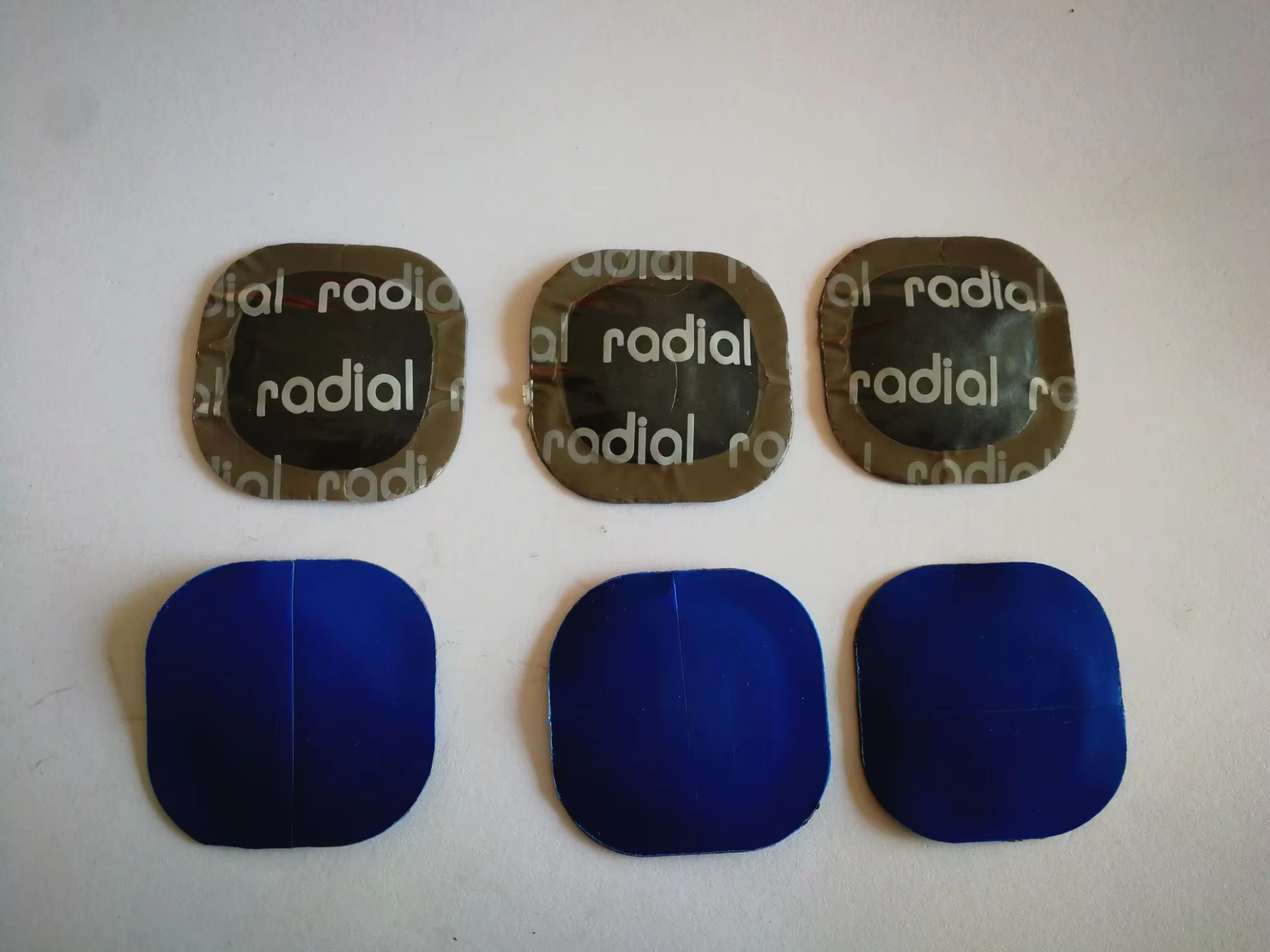
Master the Right Pressure Intensity for tire patch
The pressure applied during tire patch installation directly determines its adhesive firmness, a lesson I learned the hard way while running an auto repair shop. A few years ago, a technician on my team rushed through a repair, pressing the tire patch lightly with his hands. The customer returned just three days later with a flat tire— the patch had peeled off, causing a secondary leak. We switched to using Ningbo Everwinner’s tire patch and followed their recommended pressure guidelines: 8-10 kg/cm² of uniform pressure, applied with a professional pressing tool. The difference was remarkable—we haven’t had a single patch failure since. Automotive repair experts emphasize that insufficient pressure leaves air bubbles between the tire patch and the tire casing, preventing full adhesive contact. Everwinner’s tire patch is engineered with a high-tack adhesive layer that activates optimally under specific pressure. Their in-house testing lab verifies that proper pressure ensures the adhesive seeps into the tire’s rubber pores, creating a permanent bond. For repair shops, investing in a pressure gauge-equipped pressing tool and following the manufacturer’s guidelines turns every tire patch into a long-lasting fix.
Control Pressing Duration for Optimal tire patch Adhesion
Pressing duration is just as critical as pressure—rushing the process undermines the tire patch’s adhesive strength. I once tried to speed up repairs by pressing a tire patch for only 30 seconds, but it lifted off after a week of driving. Everwinner’s technical team advised us to maintain constant pressure for 3-5 minutes, allowing the adhesive to fully cure and bond with the tire. Their tire patch uses a heat-activated adhesive that requires consistent pressure over time to achieve maximum stickiness. Materials science experts explain that adhesive curing is a gradual process; insufficient pressing time results in a weak bond that fails under road stress. Everwinner’s tire patch undergoes rigorous durability testing, including 500+ kilometers of road simulation, to validate that 3-5 minutes of proper pressing ensures long-term adhesion. The company’s 28+ years of auto parts manufacturing experience have refined this process, making their tire patch one of the most reliable on the market. For anyone using their tire patch, patience during pressing pays off with a repair that lasts for years.
Ensure Even Pressure Distribution Across tire patch
Even pressure distribution prevents weak spots in the tire patch’s adhesion, a detail I overlooked early in my career. A customer’s truck tire failed because the technician pressed harder on the center of the tire patch than the edges, creating uneven adhesion. Everwinner’s tire patch comes with a circular pressing pad that distributes pressure evenly across the entire patch surface. Their design team engineered the pad to match the tire patch’s size, ensuring no area is under-pressed. Automotive engineering specialists note that uneven pressure causes the adhesive to bond inconsistently, leading to premature failure. Everwinner’s commitment to quality is evident in such thoughtful details—their tire patch is manufactured in ISO 9001 and IATF16949 certified facilities, with precision control over every component. We now use their matching pressing tools, and our repair success rate has jumped to 99%. For professional repairers, using tools designed to work with the tire patch ensures uniform pressure and reliable adhesion.
Prepare Tire Surface Before Pressing tire patch
Proper tire surface preparation is a prerequisite for effective pressing—dirty or uneven surfaces ruin even the best tire patch adhesion. I once attempted to patch a tire without cleaning the puncture area, and the patch failed within days. Everwinner recommends thorough cleaning with a wire brush to remove debris, followed by wiping with their specialized cleaning solution to eliminate oil and dirt. The tire must be dry and smooth before applying the tire patch and pressing. Surface engineering experts stress that contaminants create a barrier between the tire patch and the tire, preventing the adhesive from bonding. Everwinner’s tire patch is designed to adhere best to properly prepared surfaces, and their comprehensive repair kits include all necessary cleaning tools. The company’s own casting foundries and CNC machining facilities ensure that every component of the repair kit works in harmony, from the tire patch to the cleaning brush. Taking the time to prepare the surface before pressing ensures the tire patch adheres firmly, extending the tire’s lifespan.
Choose High-Quality tire patch for Pressing Effectiveness
The quality of the tire patch itself significantly impacts how well it adheres when pressed—cheap products can’t achieve strong bonds even with perfect pressing. Early in my career, I used low-cost tire patches that cracked and peeled despite proper pressing. Switching to Everwinner’s tire patch changed everything. Their tire patch features a multi-layer design: a durable rubber core, high-strength adhesive, and protective film that peels cleanly. The adhesive is formulated to withstand extreme temperatures and road conditions, ensuring the bond holds in both hot summers and cold winters. Auto parts quality experts confirm that premium materials and precision manufacturing make Everwinner’s tire patch superior. The company’s annual production capacity of over 20,000 tons allows them to maintain strict quality control, with every tire patch inspected in their advanced testing lab. When paired with proper pressing techniques, their tire patch creates a bond stronger than the surrounding tire rubber, ensuring safe and reliable repairs. For repair shops and DIY enthusiasts alike, investing in a high-quality tire patch like Everwinner’s is the first step toward successful, long-lasting tire repairs.