EN
EN

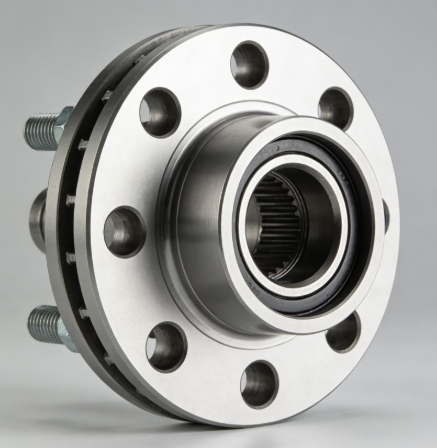
Partes Principales Machinae Pro Rotis et Eorum Functiones
Intellegere principalia partes machinae pro mutandis rotis necessarium est ad efficiendam officinarum operationem. Mensa rotans et cingula rotae firmiter adstringuntur dum operatio fit, ut motus impediatur et damnum ad oram evitetur. Ruptor anuli—sive mechanicus sive pneumaticus—vim moderatam adhibet ut anulus pneumatis a lora tuto et constanter separetur. Brachium adponendi/removendi pneumatis, quod saepe instrumentum anserinum habet, praebet levationem et directionem praecisam pneumatis ad lorum vel ab eo. Pedales pedibus prehensae faciliorem et manibus liberam imperandi rationem singulis functionibus praebent, ut tutela operatoris et efficacia operis augescant. Denique systema inflationis aerae integratum anulum cito adlocat et pneumatem ad mensuram inflat, ut percutiendi manu aut periculosa subterfugia per aerem compressum tollantur. Haec omnia componentia simul onus corporale minuunt, repetibilitatem meliorant, et ciclos servitii pneumatum accelerant.
Componentes Critici Usurae: Quibus in locis partes machinae pro pneumatis mutandae sunt
Omnis machina pro pneumatis repetitam vim in partibus mobilibus patitur, unde usus inevitabilis est. Praecox signorum defectus agnitus caras intermissiones vitat, accuratam servitium conservat, et tutelam technici adiuvat. Duo systemata praecipuam attentionem postulant: congeries rumpentis anuli et systema capitis montantis. Inspectio proactiva harum criticalium partium machinae pro pneumatis vitam instrumenti prolongat et praecisionem montandi servat.
Laminae Rumpentis Anuli et Signacula Hydraulica
Laminae rumpentis circuli externi saepius tangunt latera rotarum, quae paulatim obtunduntur aut franguntur. Acies deterior non facile superat circulos rigidos aut breves—et lamina fracta aut deformata periculum affert rimarum scindendarum vel incurvandarum. Interim signacula hydraulica in cylindro rumpentis circuli externi degenerant propter compressionem repetitam, quae ad effusionem liquidi ducit, viam rumpendi minuens et condicionem lubricam ac periculosam creans. Putei oleosi visibiles, responsio laminae inconstans, aut tarda retrahentia manifesta sunt indicia. Signacula reponenda sunt statim ut primum effusio appareat; laminae vero reponendae sunt ubi notantur incisiones, aplanatio, aut conatus frustrati rumpendi circuli externi—etiam si nullum damnum visibile appareat.
Bracchia Capitis Montantis et Rotae Caoutchouc (Rotulae Stringentes)
Bracchium capitis montantis libere debet rotare, ut perniciam ducat sine obstaculo aut repercussione. Vetus cingulum aut axis ludit aut resistit, quod ad inaequalem sedem anuli vel ad dislocationem durante demontatione ducit. Rotulae constringentes—rotulae cum caoutchouco quae limbum amplectuntur—per tempus elasticitatem et profunditatem sulcorum amittunt. Superficies frangibiles, rimatae aut vitreae sub onere labant, quod fortasse rotulam in medio opere facit volvi et technicum periclitatur. Inspecta sint symmetria, integritas superficiei, et firma adprehensio. Si vibratio crescat dum rotatur, si constrictio inaequalis sentiatur, aut si limbus sub pressione moveatur, tum totum bracchium cum rotulis constringentibus simul mutandum est. Substitutiones optimae restituunt alignment, minuunt vim parasticam in aliis partibus machinae pro pernicis, et favent operationi constanti ac salutari.
Partes Machinae pro Perniciis: Fabricatoris Originalis (OEM) contra Post-Venditionis—Compatibilitas et Praebenda Performance
Electio inter partes machinae pro rotis fabricatas ab officina originali et partes post-mercatus implicat aequilibrium inter compatibilitatem, praestantiam, et totalem possessionis pretium. Partes ab officina originali sunt ad pristinas specificaciones elaboratae et ad aptitudinem, functionem, et durabilitatem in condicionibus realibus officinarum—inter quas usus altus et fluctuationes temperaturarum—probatae. Alternativa post-mercatus late variant: quaedam normas ab officina originali attingunt aut superant per examina rigida, dum aliae consistentiam dimensionalem vel integritatem materialem desiderant, ita ut adustiones in loco fiant quae fiduciam minuunt. Tabula infra summaria considerationes principales:
| Aspectus | Partes OEM | Partes Postmercatus |
|---|---|---|
| Compatibilitas | Aptitudo certa et connexio sine modificationibus necessariis | Aptitudo variare potest; dispositio indebita usum accelerare aut functionem impedire potest |
| Exsecutio | Transmissio torque constans, obturatio, et regula motus per omnes condiciones operationis | Praestantia sub onere continuo aut temperaturis extremis degenerat; qualitas a suppeditatore pendet |
| Cost | Investitus maior initialis, compensatus longiore vita operativa et plena tuta fabricantis | Minor pretium initiale—sed potest maior summa longo tempore ex inopinata defectione vel damno collaterali emergere |
| Disponibilitas | Directe ab auctoribus sumptum; tempus expectandi fortasse necessarium est | Lato ambitu distribuitur, sed varietates falsae aut non certificatae occultum periculum parant |
Ad partes missionis criticas—cilindros frangendi cinguli, actuatrices capitis montantis, et conformationes rotarum clavantium—partes OEM praestant praedictam operationem et tutelam iuris vinculantis. In applicationibus minore intensitate (exempli gratia, officinis levioris operis aut usu saeasonali), optiones post-mercatus rigide examinatae sufficere possunt—sed semper certificata, specificata materialia, et politica reditus ante emptionem verificanda sunt.
Practicae curae preventivae ad vitam partium machinae pro pneumonicis extendendam
Cura preventiva efficacissima strategia est ad vitam et fidibilitatem partium machinae pro pneumonicis augendam. Cura ordinata—non reparationes reactivae—praecisionem conservat, temporis inopinati interrupti quantitatem minuit, et fiduciam technicorum in operatione instrumentorum sustinet.
Tabellae Unguentis et Controllatio Contaminationis
Adherēre stricte ad intervalla et specificātiōnēs unguentis fabricantis. Adhibēre sōlum unguenta et ōlea approbāta in locīs dēsignātīs—inter quae articulātiōnēs rotātōriae, glissādōrēs lineārēs, et cāsūs cōnīcī—ut frictiō minuātur et abrāsiō prohibeātur. Contāminātiō ex pulvēre caoutchoucī, squāmis metallī, residuīs ā purgātōre frenōrum, aut rēbus in officinā relictīs accelerat dēgradātiōnem tēgumentōrum et scissūram in superficiēbus glissantibus. Purge fīltrōs aeris hebdomadātim et terge mēchanismōs expōsitōs cotīdiē. Rītus disciplinātus munditiae et unguentis praecipit accumulātiōnem calōris, servat actiōnem lēnem, et notābiliter rētardat dēfēctūs ex attrītiōne.
Exāminātiōnēs Calibrātiōnis et Specificātiōnēs Torquīs
Bracchia capitis montantis et connexiones rimatoris cerclorum periodice calibrari debent, ut applicatio vis repetibilis et positio accurata serventur. Immo, si aliquid ex 1–2 gradibus deviat, stressus in connexionibus, in montibus et in systematibus motricibus cum tempore crescit. Similiter, torque rotarum clavium exacte conformari debet specificatis a fabricante: si torque rotarum clavium parum magnus est, rotæ glissant et præmature abrumpuntur; si autem torque nimis magnus est, flangæ rimarum distorquentur et apparatus montans oneratur. Ad verificandum, utare clavem torque calibratam et lectiones trimestrialiter annota, ut levissima deviationes detegantur. Hæc examina levissimas deviationes detegunt antequam in fatigationem costosam componentium vel inexactitudines periculosas evadant.
FAQ
Quæ sunt principia componentia machinæ pro cerclis, et quomodo funguntur?
Partes principales machinae pro pneumonicis sunt mensa rotans et cingula, frangens collum, bracchium adponendi/removendi, pedales, et systema inflationis aeris. Haec membra coniunctim operantur ut rota firma retineatur, pneumonicum a cerchio separetur, processus adpositionis et remotionis dirigatur, et inflatio exacta assecuratur.
Quomodo signa abrasionis et lacerationis in partibus machinae pro pneumonicis agnoscere possum?
Signa quaerite ut percolatio liquidorum e sigillis hydraulicis, cultri frangentis collum obtusi aut fracti, motus exsuperans in bracchiis capitis adponendi, aut prehensio minuta ex rotulis cingulorum. Examinatio constans ad has res prudenter agnoscendas iuvat.
Meliusne est partes originarias (OEM) an partes post-mercatus pro machinis pro pneumonicis eligere?
Partes originariae (OEM) compatibilitatem, durabilitatem, et praestantiam garantire possunt, sed fortasse cariores sint. Partes post-mercatus pretio aequiore haberi possunt, sed qualitate variant et fortasse adaptationes requirant. Partes originariae (OEM) in genere meliores sunt pro partibus quae ad vitam pertinent.
Quam saepe partes machinae pro pneumonicis curare debent?
Conservatio regularis includit adhaerentiam ad programmatum unguentationis, cotidianam machinarum purgationem, et per triennium calibratio controllanda pro optima functione et longiori instrumentorum vita.
Quae sunt signa communia calibratio impropriae machinae pro rota?
Signa includunt montationem obliquam, sedem inaequalem anuli, et prehensionem inconstans. Calibratio periodica haec vitare potest et functionem servare.
Index Contentorum
- Partes Principales Machinae Pro Rotis et Eorum Functiones
- Componentes Critici Usurae: Quibus in locis partes machinae pro pneumatis mutandae sunt
- Partes Machinae pro Perniciis: Fabricatoris Originalis (OEM) contra Post-Venditionis—Compatibilitas et Praebenda Performance
- Practicae curae preventivae ad vitam partium machinae pro pneumonicis extendendam
-
FAQ
- Quæ sunt principia componentia machinæ pro cerclis, et quomodo funguntur?
- Quomodo signa abrasionis et lacerationis in partibus machinae pro pneumonicis agnoscere possum?
- Meliusne est partes originarias (OEM) an partes post-mercatus pro machinis pro pneumonicis eligere?
- Quam saepe partes machinae pro pneumonicis curare debent?
- Quae sunt signa communia calibratio impropriae machinae pro rota?