EN

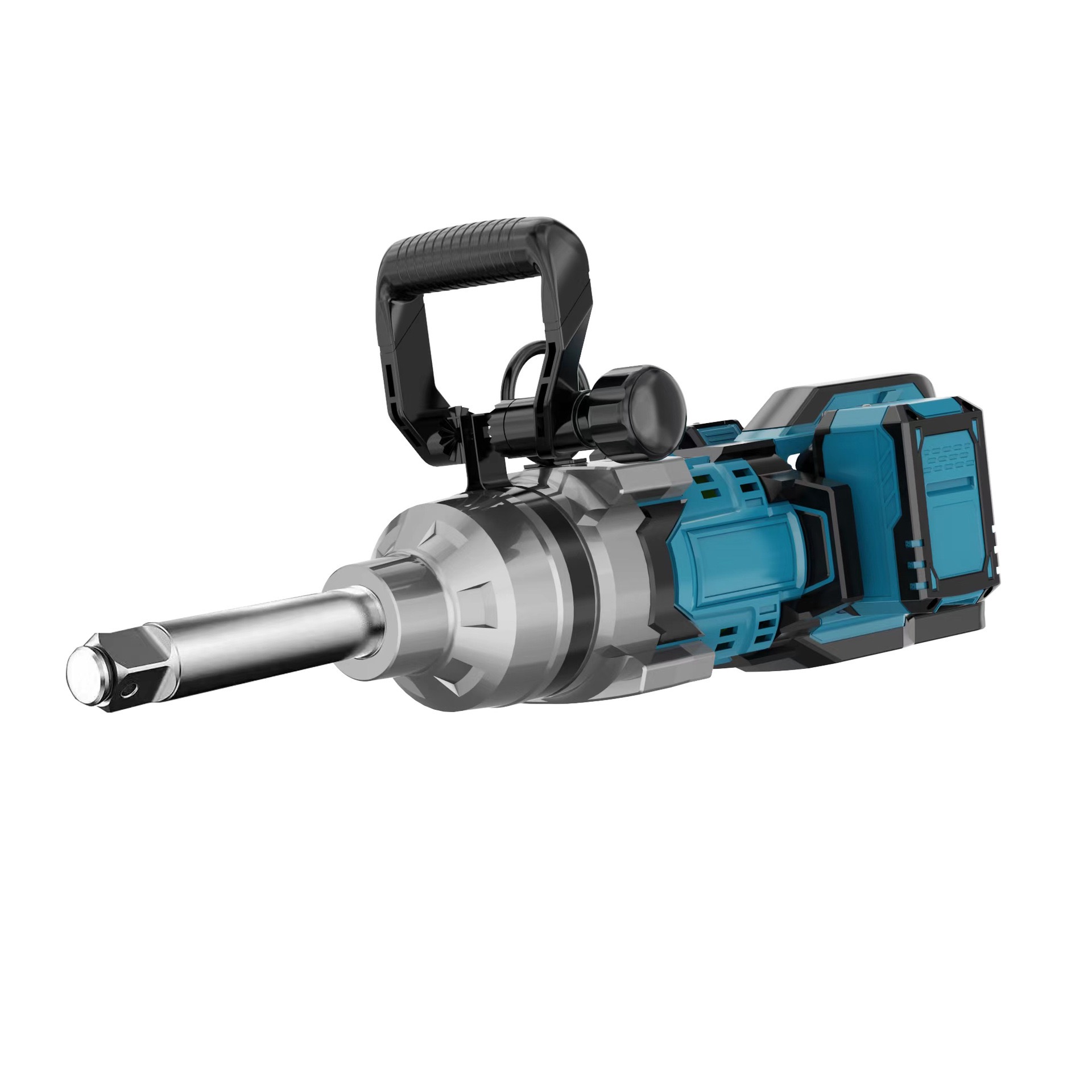
Optimize Charging Habits to Maximize Battery Impact Wrench Runtime
Avoid Deep Discharge: Why Partial Recharging Extends Lithium-Ion Lifespan
Lithium-ion cells in a battery impact wrench last longest when kept between 20% and 80% state of charge. Draining below 10–20% forces the battery management system (BMS) to work harder during recharge and accelerates internal degradation. Unlike older chemistries, lithium-ion has no memory effect—so topping up from 30% to 80% does not reduce usable capacity. This partial-recharge habit lowers voltage stress across cells, helping the pack deliver more of its rated 300–1,000 cycles in real-world use. Reserve fast charging for urgent jobs only; daily use benefits most from standard charging. When the tool sounds weak or the fuel gauge drops to one bar, recharge promptly—before automatic shutdown—to avoid voltage sag, preserve cell balance, and maintain readiness.
Ideal Depth of Discharge and Charging Frequency for Daily Use
For DIY users completing one or two repairs per week, recharging once or twice weekly is typically sufficient. Professionals removing dozens of fasteners daily may need multiple charges—making a spare battery the most practical solution. Match depth of discharge to the job: if a 4.0 Ah pack still holds 30–40% after a short task, top it up rather than waiting for full depletion. Higher-capacity packs aren’t an excuse to delay recharging—heat and voltage stress accumulate regardless of Ah rating. Never charge a hot battery; allow at least 20–30 minutes to cool to near room temperature after high-torque use. Likewise, avoid long-term storage at 0% or 100%. For optimal shelf life, store packs at 20–80% charge in a cool, dry place—this preserves capacity and minimizes downtime over years of service.
Manage Heat to Preserve Battery Impact Wrench Performance and Safety
Thermal-Aware Charging: Preventing Overheating During and After High-Load Use
Heat is among the most damaging stressors for lithium-ion batteries in impact wrenches. After sustained high-load operation, cells often exceed 45°C (113°F), accelerating irreversible capacity fade. Charging while hot traps thermal energy, raises internal resistance, and strains the BMS—so always wait until the pack feels near ambient temperature before plugging in. Many modern tools include thermal sensors that pause charging automatically or alert users via fuel-gauge flashes or vibration if temperatures spike mid-use. For consistent performance, keep charging areas below 25°C (77°F) and away from direct sunlight or heat sources. If the battery becomes too warm to hold comfortably during work, remove it and set it on a non-flammable surface to cool. This simple discipline preserves cycle life and maintains stable runtime across hundreds of uses.
Use the Right Charger for Your Battery Impact Wrench
Using the correct charger is one of the most direct ways to extend battery impact wrench runtime and longevity. Always pair your tool with the manufacturer-supplied charger—or a verified compatible unit matching the battery’s voltage, chemistry, and physical interface. Lithium-ion packs are highly sensitive to voltage tolerances: generic chargers with inaccurate cutoffs risk chronic undercharging (reducing available power) or dangerous overcharging (increasing heat and capacity loss). Some cordless systems use multi-volt fast chargers supporting several battery capacities—but cross-compatibility must be confirmed by the manufacturer. Before first use, verify the charger’s output matches the pack label—for example, an 18V charger should never be used with a 20V Max battery unless explicitly approved. Store chargers in cool, dry conditions and clean contacts regularly to ensure stable, interruption-free charging—especially during extended work sessions.
Match Battery Capacity and Load Strategy to Extend Usable Runtime
Selecting Amp-Hour (Ah) Ratings Based on Task Demands
Amp-hour (Ah) rating reflects total energy storage—not linear runtime. Actual performance depends heavily on discharge rate and load profile. For light assembly or intermittent fastening, a 2.0–3.0 Ah pack offers lower weight, faster recharge, and better ergonomics. For continuous lug-nut removal or heavy equipment repair, a 5.0–8.0 Ah pack sustains voltage longer under load, delaying sag-induced torque drop. Critically, high-capacity cells optimized for low C-rate discharge may struggle with sudden high-power bursts, while high-drain cells trade capacity for peak current delivery. Matching Ah rating to duty cycle prevents premature low-voltage shutdown—and industry testing shows proper sizing improves usable energy delivery by 10–20% under typical pulsed loads (2023). Avoid oversized packs solely for runtime gains; added mass increases user fatigue without proportional benefit in short-duration tasks.
Load Management Techniques to Reduce Battery Stress During Operation
Reduce peak current draw by managing trigger input: use short bursts instead of holding full throttle during run-down, and select lower speed settings for low-torque fasteners. Stalling the motor under load creates excessive current and rapid heating—avoid it entirely. Keep battery contacts clean and corrosion-free; oxidized terminals increase resistance and waste energy as heat. Let the pack cool to room temperature before recharging after high-load use. Also match speed setting to fastener size—high RPM on small screws wastes energy and unnecessarily heats cells. Because resistive heating scales with the square of current, reducing peak draw by just 20% cuts thermal losses by ~36%. This thermal headroom allows the BMS to maintain stable voltage and delays thermal throttling—extending both per-cycle runtime and overall pack life.
FAQ Section
Why should I avoid deep discharging my battery impact wrench?
Deep discharging below 10-20% forces the battery management system to work harder during recharges, which accelerates internal degradation. Maintaining the battery charge between 20% and 80% extends its lifespan.
How often should I recharge my battery impact wrench?
For light DIY use, recharging once or twice weekly is sufficient. Professionals using the tool for extended periods daily may require multiple charges and might benefit from having a spare battery to ensure uninterrupted use.
Can I recharge the battery immediately after heavy use?
No, it is recommended to let the battery cool for at least 20–30 minutes to near room temperature before recharging. Charging a hot battery can accelerate wear and tear.
Why is it important to use the correct charger?
The manufacturer-recommended charger is specifically designed to match the battery’s voltage, chemistry, and physical interface. Using incorrect chargers can lead to undercharging or overcharging, which can damage the battery and reduce its lifespan.
How do I store my battery for optimal shelf life?
Store your battery at a 20–80% charge in a cool, dry place. Avoid leaving the battery at 0% or 100% for extended periods to preserve its capacity and longevity.
What are some ways to reduce battery stress during usage?
Manage peak current draw by using short bursts and lower speed settings, avoid stalling the motor, keep battery contacts clean, and always allow the battery to cool after heavy use before recharging it.
Table of Contents
- Optimize Charging Habits to Maximize Battery Impact Wrench Runtime
- Manage Heat to Preserve Battery Impact Wrench Performance and Safety
- Use the Right Charger for Your Battery Impact Wrench
- Match Battery Capacity and Load Strategy to Extend Usable Runtime
-
FAQ Section
- Why should I avoid deep discharging my battery impact wrench?
- How often should I recharge my battery impact wrench?
- Can I recharge the battery immediately after heavy use?
- Why is it important to use the correct charger?
- How do I store my battery for optimal shelf life?
- What are some ways to reduce battery stress during usage?