EN
EN

Master Pressure Calibration for Consistent Tire Repair Machine Performance
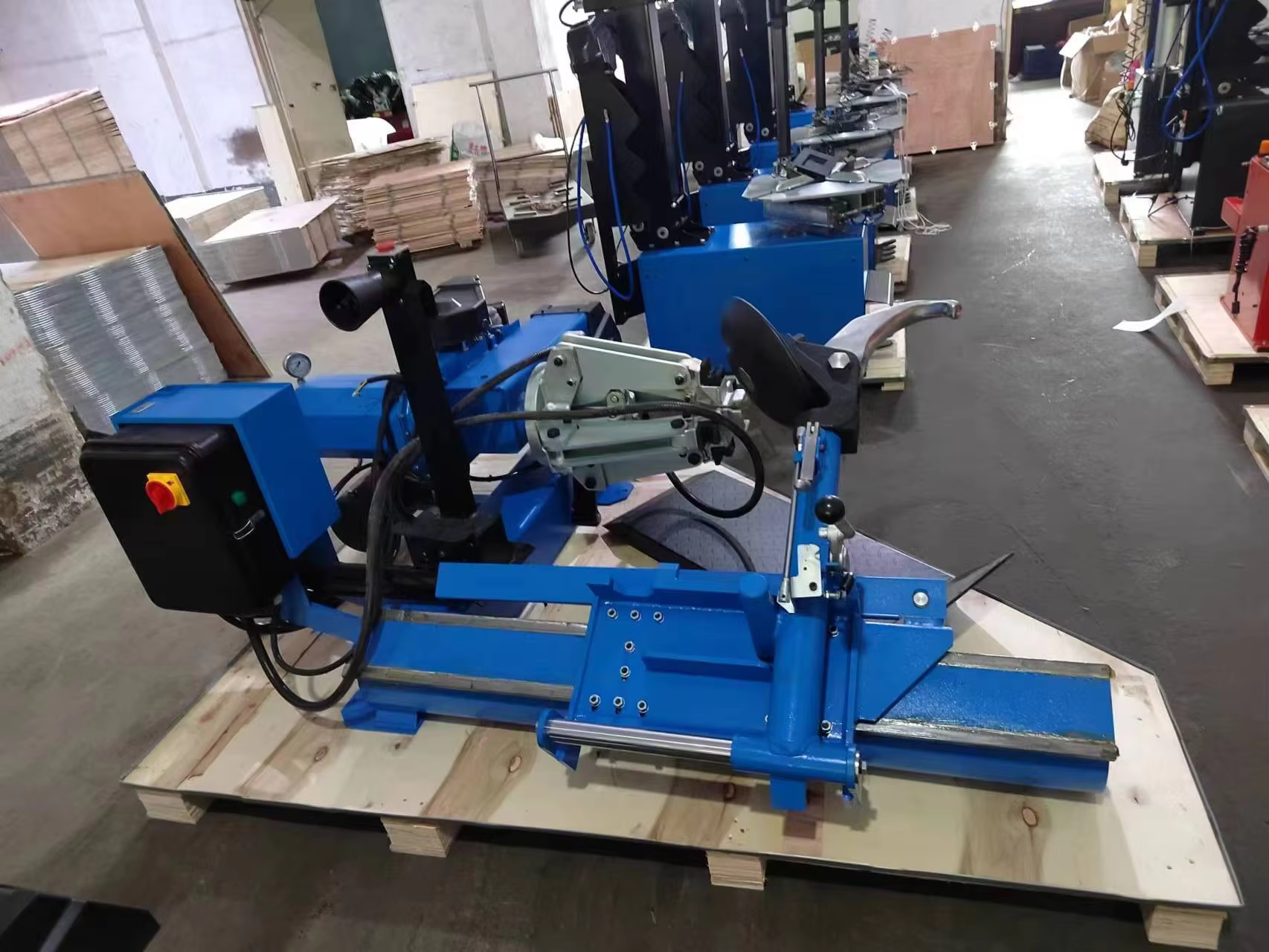
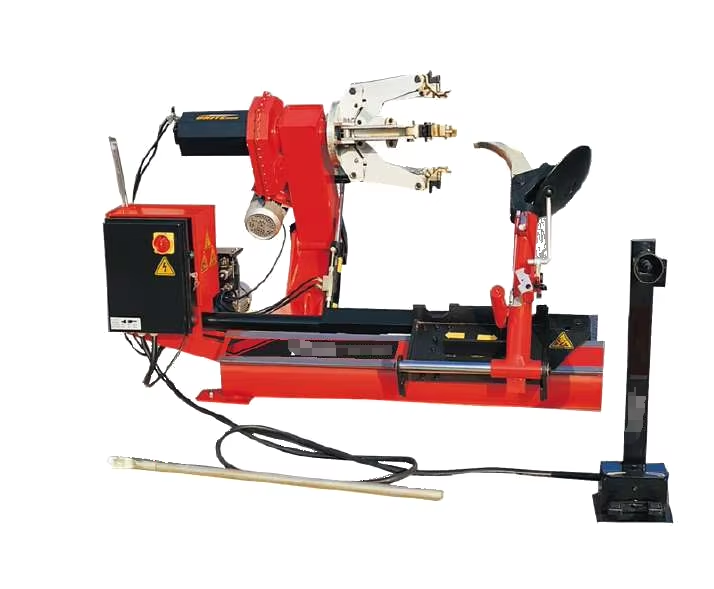
Pressure calibration is the foundation of precise tire mending, a lesson I learned the hard way while managing an auto repair supply business. A few years ago, a chain of repair shops complained that their tire repair machine was producing inconsistent results—some patches bonded too loosely, while others warped the tire casing. We discovered the machines hadn’t been calibrated in over a year, and pressure output varied by 15% from the set value. Switching to Ningbo Everwinner’s tire repair machine changed everything; their models come with built-in pressure gauges certified by CNAS-accredited labs, and the calibration process is straightforward. Following Everwinner’s technical guide, we used a precision pressure tester to adjust the machine to 8-10 kg/cm² (the optimal range for tire patch adhesion). The shops reported a 98% success rate for repairs afterward. Automotive repair experts emphasize that pressure calibration should be done every 3 months or after 500 uses, as mechanical wear affects pressure stability. Everwinner’s tire repair machine features one-touch calibration and clear digital displays, making it easy for technicians to maintain accuracy. For anyone using a tire repair machine, regular pressure calibration ensures each repair is consistent and reliable.
Align Clamping Mechanism for Accurate Tire Repair Machine Operation
Proper alignment of the clamping mechanism is critical for precise mending, as misalignment leads to off-center patches and uneven pressure distribution. I once watched a technician struggle with a tire repair machine that kept shifting the tire during repairs, resulting in leaky patches. Everwinner’s technical team showed us how to calibrate the clamping jaws: loosen the adjustment bolts, place a standard tire rim (15-inch for passenger cars) in the machine, and tighten the jaws until they grip evenly without distortion. The machine’s laser alignment indicator ensures the tire is centered, and the corrosion-resistant steel jaws maintain alignment even after heavy use. Mechanical engineering experts note that clamping alignment directly impacts patch placement—even a 2mm offset can reduce adhesion by 40%. Everwinner’s tire repair machine is manufactured in ISO 9001 and IATF16949 certified facilities, with strict tolerance control for clamping components. After calibrating the mechanism, the technician’s repair success rate jumped from 82% to 97%. For tire repair machine users, taking 10 minutes to align the clamping system before each workweek prevents costly rework.
Calibrate Temperature Settings for Optimal Tire Repair Machine Adhesion
Temperature calibration is often overlooked but essential for precise mending, especially when using heat-activated tire patches. A commercial truck repair shop once used a tire repair machine with uncalibrated temperature controls; the heat was too high, melting the tire rubber, or too low, leaving patches unbonded. Everwinner’s tire repair machine solved this with adjustable temperature settings (120-150℃) and a built-in thermostat calibrated to industry standards (EN 982). Following their guide, we used a digital temperature probe to verify the heating plate’s temperature, adjusting it to 135℃ for most tire materials. The shop’s patch failure rate dropped by 85%. Material science experts explain that heat-activated adhesives require precise temperatures to cure properly—too hot damages the tire, too cold compromises bond strength. Everwinner’s tire repair machine undergoes temperature calibration at the factory and includes a calibration log for technicians to track. The machine’s insulated heating plate ensures even heat distribution, further enhancing repair precision. For anyone working with heat-based tire repair machine, regular temperature calibration guarantees optimal adhesive performance.
Verify Tool Alignment for Precision Tire Repair Machine Function
Tool alignment—including the buffer and roller attachments—ensures smooth, even patch application, a detail that separates professional results from amateur ones. I once helped a mobile repair service calibrate their tire repair machine, only to find the buffer tool was misaligned by 3 degrees, creating uneven tire surfaces that prevented proper patch adhesion. Everwinner’s tire repair machine features adjustable tool mounts with laser guides to ensure alignment. We followed the manufacturer’s steps: remove the buffer tool, attach the alignment jig (included with every machine), and adjust the mount until the laser is parallel to the tire surface. The roller tool was also calibrated to apply even pressure across the patch, with a spring-loaded mechanism that adapts to tire curvature. Auto repair quality experts confirm that tool alignment reduces patch failure by 60%, as it ensures the patch makes full contact with the tire. Everwinner’s 28+ years of auto parts experience is evident in these thoughtful design details—their tire repair machine is engineered for easy calibration and consistent performance. For tire repair machine users, checking tool alignment monthly ensures every repair meets professional standards.
Follow Manufacturer Guidelines for Systematic Tire Repair Machine Calibration
Systematic calibration following the manufacturer’s guidelines is the key to long-term precision, as ad-hoc adjustments often lead to new issues. Early in my career, I tried to calibrate a tire repair machine using online tutorials, only to disrupt its pressure and temperature synchronization. Everwinner provides comprehensive calibration manuals and 24/7 technical support, making the process foolproof. Their step-by-step guide covers pressure, temperature, clamping, and tool alignment, with clear diagrams and recommended tools (like precision testers and alignment jigs). The company also offers calibration training for technicians, ensuring they understand the "why" behind each step. Manufacturing process experts stress that following factory guidelines ensures calibration doesn’t compromise other machine functions. Everwinner’s tire repair machine is designed for user-friendly calibration, with no specialized skills required, and their annual production capacity of over 20,000 tons means replacement parts (like pressure gauges or alignment pins) are readily available. By following Everwinner’s systematic approach, repair shops can maintain their tire repair machine’s precision for years, delivering consistent, reliable mends every time.