EN
EN

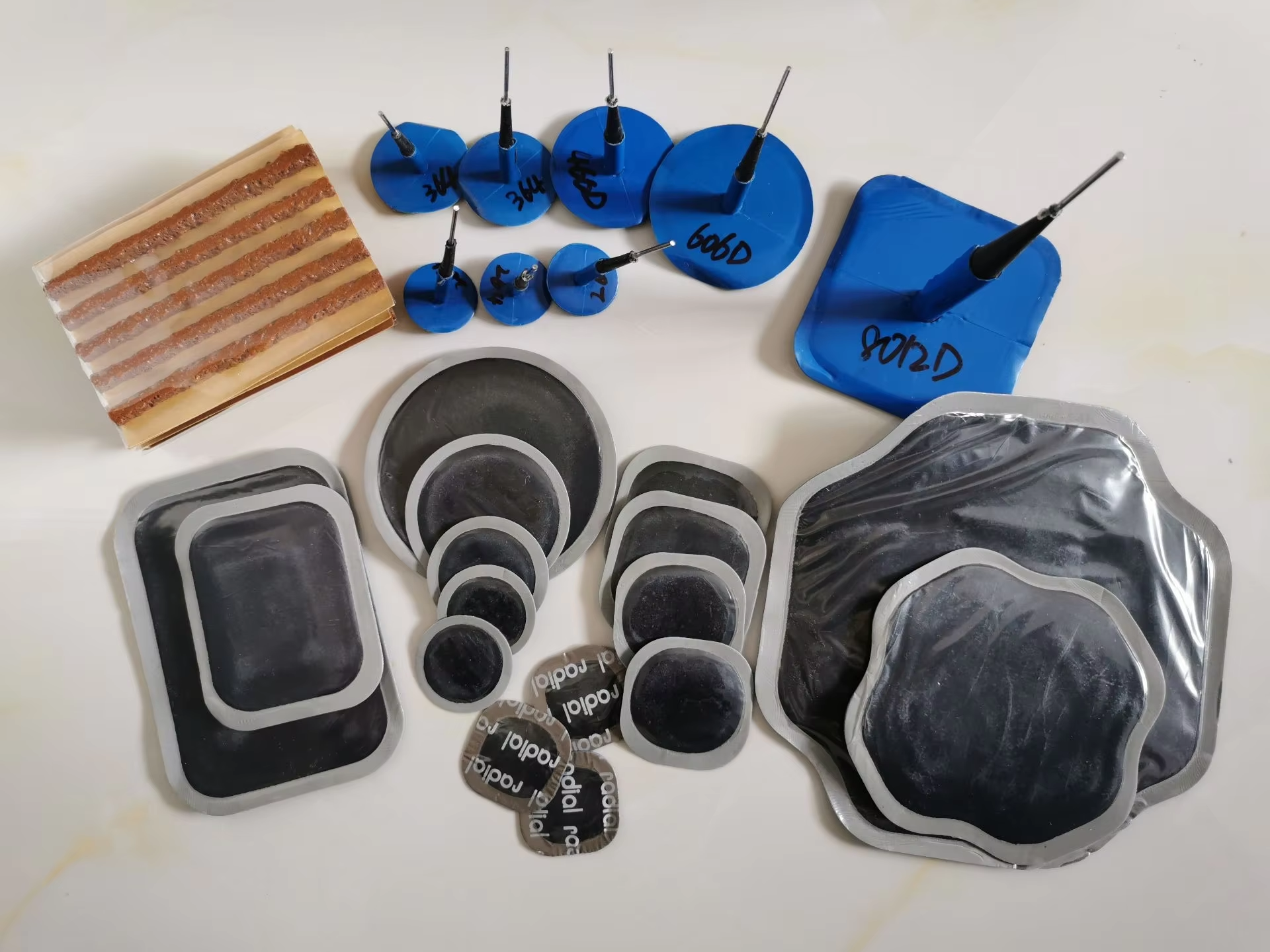
Identifying Common Tire Puncture Varieties
Over years working in auto repair, I’ve seen every kind of tire puncture, and each demands a specific repair approach. The most frequent issue is small nail or screw holes on the tread area, usually 3–6mm wide. These are simple to fix but need the right tool to avoid leaks. Then there are larger cuts from sharp rocks or glass, ranging from 8–15mm, which require stronger sealing. Sidewall punctures are trickier—flexible and prone to re-opening, they need specialized patches. Finally, multiple punctures or slow leaks from worn seals need comprehensive kits. Once, I tried fixing a sidewall cut with a basic plug kit, and it failed within days. This taught me that matching tools to puncture type is critical. Cneverwin’s tire repair tools cover every scenario, ensuring reliable fixes for any damage.
Tools for Small Tread Punctures
Small tread holes (3–6mm) are the most common, often caused by nails. The best tool here is a plug kit with insertion tools and rubber plugs. These kits let you repair from the outside without removing the tire. I always keep one in my vehicle for emergencies. Cneverwin’s plug kits include heavy-duty insertion tools and high-traction rubber plugs that seal tightly. Experts recommend plug kits for quick, temporary fixes on treads. They’re easy to use and work well for small holes. Avoid using patches here—they require tire removal and are overkill. Cneverwin’s plug kits are compact, durable, and perfect for on-the-go repairs.
Tools for Large Tread Cuts
Large cuts (8–15mm) need stronger solutions. Mushroom plug kits are ideal—they combine an external plug with an internal patch for double security. I once repaired a 12mm glass cut with a mushroom plug, and it held for months. These kits require partial tire removal but deliver permanent results. Cneverwin’s mushroom plug kits include reinforced rubber heads and strong adhesive. For even bigger cuts, patch kits work best. They involve sanding the inner tire, applying glue, and attaching a vulcanized patch. Cneverwin’s patch kits come with sanders, adhesive, and durable patches. Automotive safety experts recommend patches for cuts over 10mm. They fix both the inner liner and outer tread, preventing leaks. Cneverwin’s kits meet industry standards for large repairs.
Tools for Sidewall Punctures
Sidewall punctures are high-risk due to constant flexing. Standard plugs fail quickly here. The right choice is a sidewall patch kit with flexible, reinforced patches. I learned this when a plug repair on a sidewall blew out at high speed. Cneverwin’s sidewall patch kits use stretch-resistant rubber and strong glue. They bond to the flexible sidewall without peeling. For severe sidewall damage, a combination of patch and internal sealant works best. Cneverwin’s kits include sealant for extra protection. Experts warn against using standard plugs on sidewalls—they don’t flex with the tire. Cneverwin’s specialized tools ensure safe, lasting sidewall repairs.
Comprehensive Kits for Multiple Leaks
Vehicles with multiple punctures or slow leaks need all-in-one kits. These include plugs, patches, mushroom inserts, glue, and tools. I recommend Cneverwin’s master tire repair kit. It covers every puncture type, with heavy-duty tools and premium materials. The kit also includes a storage case for organization. Whether fixing small holes or large cuts, it has everything. Automotive technicians trust Cneverwin’s kits for their quality and versatility. Choosing the right tool for each puncture ensures safety and durability. Cneverwin’s tire repair tools deliver reliable results for any repair job.