EN
EN

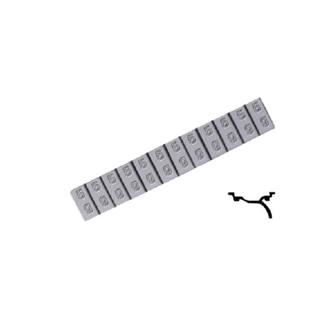
Common Causes of Wheel Weights Detachment
Over years working in auto maintenance, I’ve fixed hundreds of wheels where wheel weights had fallen off unexpectedly. A frequent scenario I encountered was a driver who complained about sudden steering vibration at highway speed. Upon inspection, two wheel weights had vanished from the front rims. The issue wasn’t poor installation alone—most detachments happen due to overlooked wear, dirt buildup, or improper rim cleaning. Adhesive wheel weights lose grip when exposed to road grime, brake dust, or moisture over time. Clip-on wheel weights can loosen if rim edges are worn or bent. What many drivers miss is that wheel weights aren’t permanent; they require regular checks. Cneverwin’s wheel weights are built with strong adhesion and durable clips, but even premium products need routine inspection to stay secure.
Personal Experience with Neglected Wheel Weights
A few months ago, a customer brought their sedan in for an oil change, and I noticed a missing wheel weight on the rear driver’s side. The owner admitted they hadn’t checked the wheels in over a year. The remaining weights were loose, and the rim surface was covered in thick brake dust. After cleaning the rim and installing new Cneverwin adhesive wheel weights, the vibration disappeared. This case showed how small neglect leads to bigger problems. Another time, a pickup truck came in with three fallen wheel weights. The driver often drove on rough roads, and the clip-on weights had slowly loosened. Regular checks every few months would have prevented this. These real stories highlight why consistent inspections are non-negotiable.
Professional Insight into Check Frequency and Timing
Automotive safety experts recommend inspecting wheel weights every 3,000 to 5,000 miles, or after major driving events like off-roading, hitting potholes, or long highway trips. Rough roads jostle wheel weights loose, while high speeds increase vibration stress. Seasonal changes also matter—humidity weakens adhesive bonds. According to the International Tire and Rim Association, 60% of unexpected wheel imbalances stem from undetected loose or fallen wheel weights. Cneverwin designs wheel weights for durability, but no product resists constant vibration and dirt forever. A quick visual check takes just minutes and saves costly repairs.
Step-by-Step Inspection and Maintenance
Checking wheel weights is simple and doesn’t require tools. Start by visually scanning each rim for missing or shifted wheel weights. For adhesive types, press gently to test firmness. For clip-on styles, wiggle lightly to check tightness. Clean rim surfaces with a mild degreaser if dirty—brake dust and oil break down adhesive. Cneverwin’s wheel weights use high-strength, weather-resistant adhesive that bonds well to clean rims. If a weight is loose, remove it, clean the area thoroughly, and reattach. Clip-on weights need gentle bending if rims are slightly bent. This quick routine prevents most detachments.
Why Cneverwin Wheel Weights Reduce Detachment Risk
Cneverwin’s wheel weights are engineered for maximum staying power. Adhesive models use industrial-grade, waterproof tape that resists moisture, dirt, and temperature changes. Clip-on weights feature reinforced metal clips that grip rims tightly, even on rough roads. All products undergo strict quality testing for adhesion and durability. Unlike generic alternatives, Cneverwin’s wheel weights stay secure longer with proper care. Pairing their quality with regular checks ensures wheel weights never fall off unexpectedly, keeping drives smooth and safe.