EN

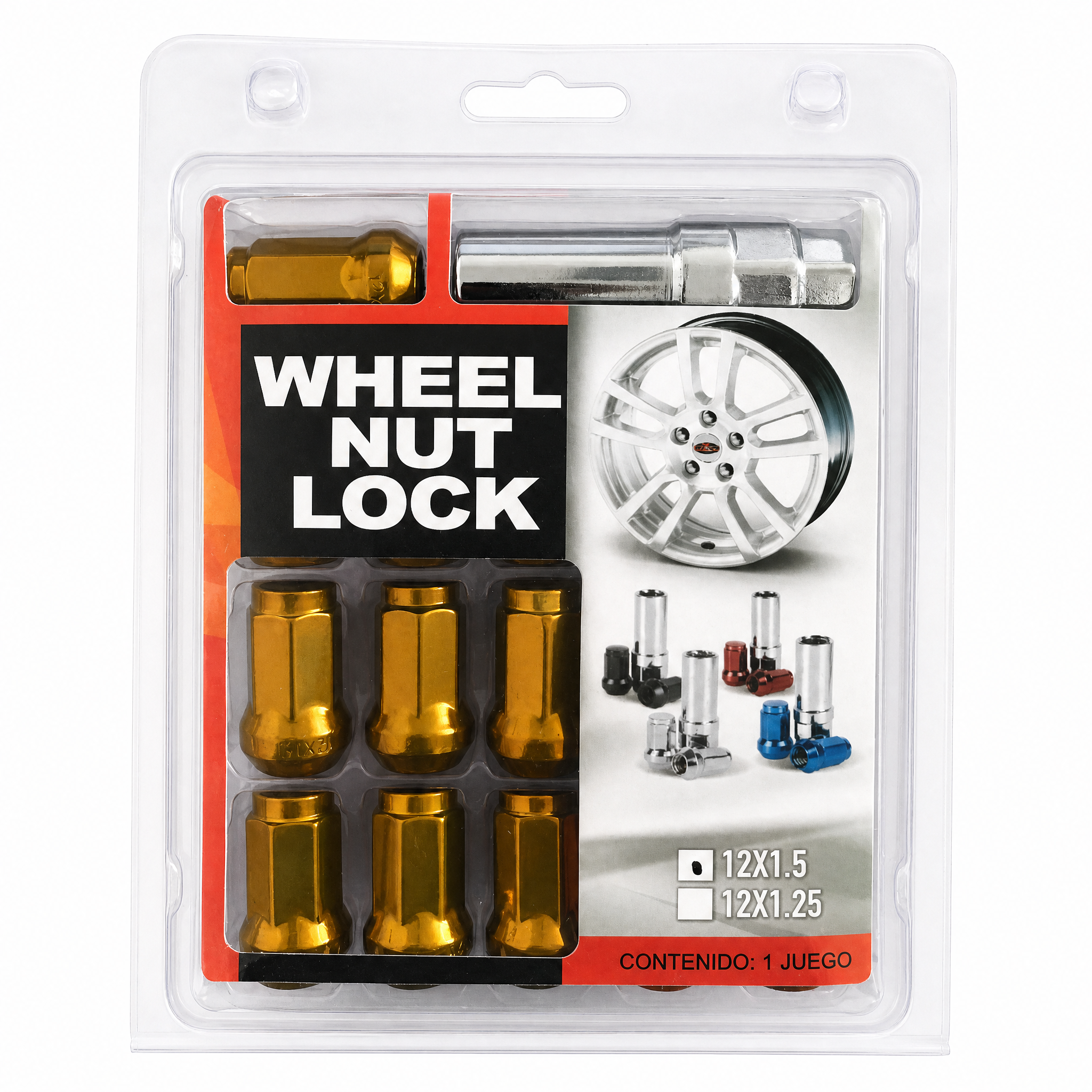
Why Wheel Nut Bolt Loosening Poses a Critical Safety Risk
The physics of vibration-induced preload loss in wheel nut bolts
A wheel nut bolt secures the wheel assembly to the hub by generating clamping preload—a tensile force that locks the joint together. Road-induced vibrations, thermal cycling, and dynamic load shifts continuously challenge this preload. As a 2025 study in Scientific Reports explains, even microscopic thread slippage under cyclic excitation can initiate unwinding, gradually eroding clamp force. Once preload falls below a critical threshold, the joint enters a self-accelerating loosening phase—often degrading significantly within a few hundred miles. Because this loss is invisible without measurement, it transforms a reliable connection into a latent failure point.
Real-world consequences: From stud hole deformation to wheel separation
Loss of preload allows micro-movement between the wheel and hub, causing fretting wear at the stud holes. This cyclic hammering elongates round holes into ovals, permanently deforming mounting surfaces. Remaining properly torqued fasteners then bear disproportionate stress, accelerating stud fatigue and increasing fracture risk. In extreme cases, full wheel separation occurs while the vehicle is in motion—a high-consequence event that can trigger loss of control, hazardous road debris, and multi-vehicle collisions. Even before detachment, steering wobble emerges, accelerating suspension wear and causing uneven tire degradation—compromising handling and driving up maintenance costs.
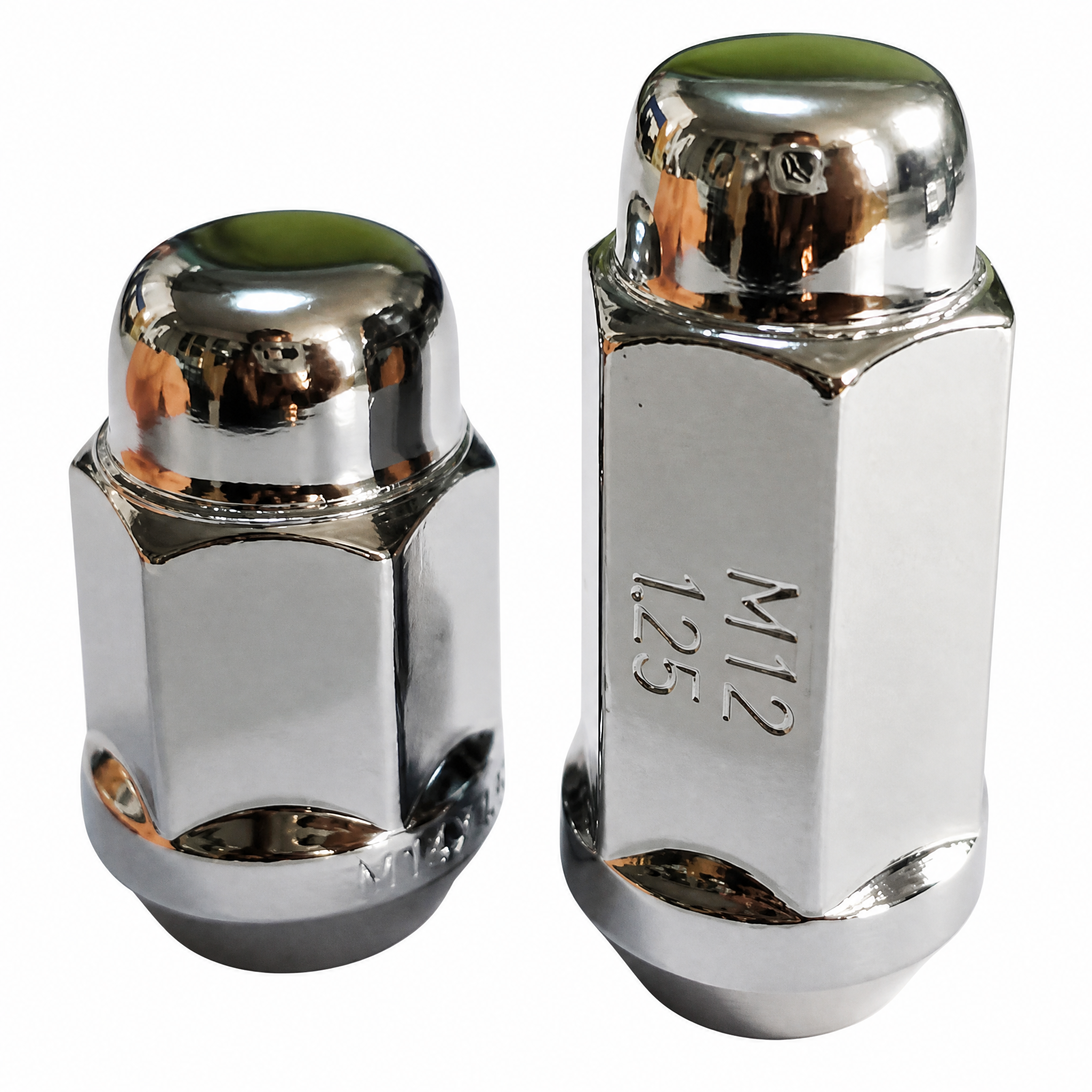
Optimal Wheel Nut Bolt Inspection Frequency and Protocol
Integrating a structured inspection cadence keeps wheel nut bolt security verifiable and prevents progressive loosening that leads to failure. The protocol combines daily documentation with timed torque checks to catch preload loss early.
Aligning DVIR and Pre-trip Checks with FMCSA §396.11 for Wheel Nut Bolt Verification
Under FMCSA §396.11, drivers must verify all securing components—including wheel nut bolts—are in safe condition during pre-trip inspections and document findings in the Driver Vehicle Inspection Report (DVIR). Each check must confirm no missing, cracked, or loose fasteners; visible rust streaks, distorted seats, or flaking finishes require immediate rejection. Logging these observations creates an auditable trail, elevating wheel security from a cursory glance to a disciplined process. Fleet safety data shows consistent reporting of wheel nut bolt anomalies reduces wheel-off incidents by over 60%—demonstrating how regulatory compliance directly strengthens operational safety.
When to Inspect: Post-Installation, After 50–100 Miles, and After Load Changes
Torque settling poses the greatest risk immediately after wheel mounting or retorquing. Verify every wheel nut bolt right after installation using a calibrated torque wrench, then recheck after the first 50–100 miles—the interval where clamp force drops most sharply as mating surfaces bed in. Beyond this break-in period, inspect again after any significant load change (e.g., shifting from empty to maximum gross weight), since altered stress redistributes across studs and can overcome residual friction. For fleets operating on rough terrain, shortening the recheck window to 50 miles—and adding a mid-route spot check—further mitigates the risk of progressive loosening.
Recognizing Early Signs of Wheel Nut Bolt Deterioration
Visual cues: Rust streaks, flaking finish, and radial pattern distortion
Surface deterioration often signals underlying joint compromise. Rust streaks radiating from the nut-to-wheel interface indicate moisture ingress and fretting corrosion—both strongly associated with preload loss. Flaking or discoloration around the bolt’s bearing surface suggests excessive heat cycling or sustained overload. Most critically, observe alignment geometry: any visible off-centering of the nut within its stud hole confirms load-induced shifting. These are not cosmetic flaws—they are mechanical precursors to thread root cracking and permanent stud hole elongation.
Tactile confirmation: The quarter-turn test and targeted torque-wrench spot checks
Visual inspection alone cannot detect internal preload loss before deformation becomes obvious. The manual quarter-turn test serves as a rapid, low-tech diagnostic: applying consistent effort with a standard tool, unexpected rotation indicates yield or excessive bedding. For objective verification, apply a targeted torque-wrench check—not to fully tighten, but to verify integrity. Use a verification load at ~80% of the specified clamping torque; any movement at this sub-threshold level confirms a critical preload deficit. This phased approach detects gradual, invisible relaxation long before catastrophic fatigue failure occurs.
Correct Wheel Nut Bolt Torque Application and Re-torquing Best Practices
Precise tightening to manufacturer specifications is non-negotiable. A 2022 study by the National Institute for Automotive Service Excellence found that 38% of premature brake disc replacements stemmed from improper installation torque—a failure mode directly tied to wheel-end component stress. For most commercial vehicles, wheel nut bolts require 110–130 ft-lbs (149–176 Nm) applied with a calibrated torque wrench. Impact wrenches may seat nuts, but only calibrated tools deliver repeatable, accurate clamping force. Always clean threads before assembly, apply manufacturer-specified lubricant if required, and follow a star or cross pattern to ensure even load distribution.
Re-torquing after initial installation is essential due to surface settling. Industry best practice calls for re-torqueing after the first 50–100 miles, then every 10,000 miles—or immediately after wheel removal, tire rotation, or major load changes. Yet many fleets omit this step, creating preventable risk. Drivers must be trained to recognize early signs of loosening and empowered to insist on proper re-torque procedures—turning wheel-end maintenance from a compliance task into a frontline safety safeguard.
Frequently Asked Questions
Why is wheel nut bolt loosening dangerous?
Loose wheel nut bolts can lead to preload loss, which compromises the secure attachment of the wheel to the hub. This degradation can cause steering wobble, increased maintenance costs, or even catastrophic wheel detachment.
How often should wheel nut bolts be inspected?
Wheel nut bolts should be inspected immediately after installation, then rechecked after 50–100 miles of driving, during load changes, and every 10,000 miles for ongoing safety.
What are early signs of wheel nut bolt deterioration?
Rust streaks, flaking finishes, radial pattern distortions, and off-centered nuts are visual signals of compromised wheel nut bolt integrity. These signs should never be ignored.
What tools are required for proper torque application?
A calibrated torque wrench is vital for ensuring precise clamping force. Impact wrenches can seat nuts but should not be used for torque-sensitive applications.
What happens if wheel nut bolts are not re-torqued?
Failing to re-torque bolts increases the risk of loosening due to settling and load redistribution. This oversight can result in uneven stress distribution, permanent damage, and safety hazards.