EN
Why Tire Accessories Drive Growth in the Auto Aftermarket
The global auto aftermarket is expanding rapidly, fueled by a growing vehicle parc and aging fleets that require more frequent replacement parts. Within this landscape, tire accessories represent a strategic growth lever for distributors. As vehicles stay on the road longer, owners increasingly seek cost-effective alternatives to OEM components—while also investing in upgrades that enhance safety, efficiency, and personalization. Tire accessories—from TPMS sensors and valve stems to repair kits and alignment tools—sit at the intersection of necessity and consumer desire.
Several trends are accelerating demand. Vehicle customization and comfort upgrades now represent a 12% CAGR segment, driven by rising disposable incomes and a younger demographic eager to personalize their vehicles. The shift toward electric and hybrid models further amplifies demand, as these vehicles require specialized accessories like low-rolling-resistance tire kits and EV-ready TPMS. Meanwhile, the proliferation of e-commerce platforms has made it easier for end-users to purchase tire accessories directly—prompting distributors to stock a broader, more targeted assortment to serve both DIY customers and professional installers.
Safety remains a primary motivator. Consumers are prioritizing dash cams, GPS trackers, and advanced tire-pressure monitoring systems after experiencing near-misses—or recognizing the long-term cost savings of preventive maintenance. For distributors, positioning tire accessories as value-added solutions—not low-margin commodities—creates opportunities for higher margins and stronger customer retention. By aligning assortments with these evolving demands, distributors can turn a niche category into a reliable revenue driver.
Building a Profitable Tire Accessories Assortment Strategy
Optimizing SKU Mix by Vehicle Fitment, Seasonality, and EV Readiness
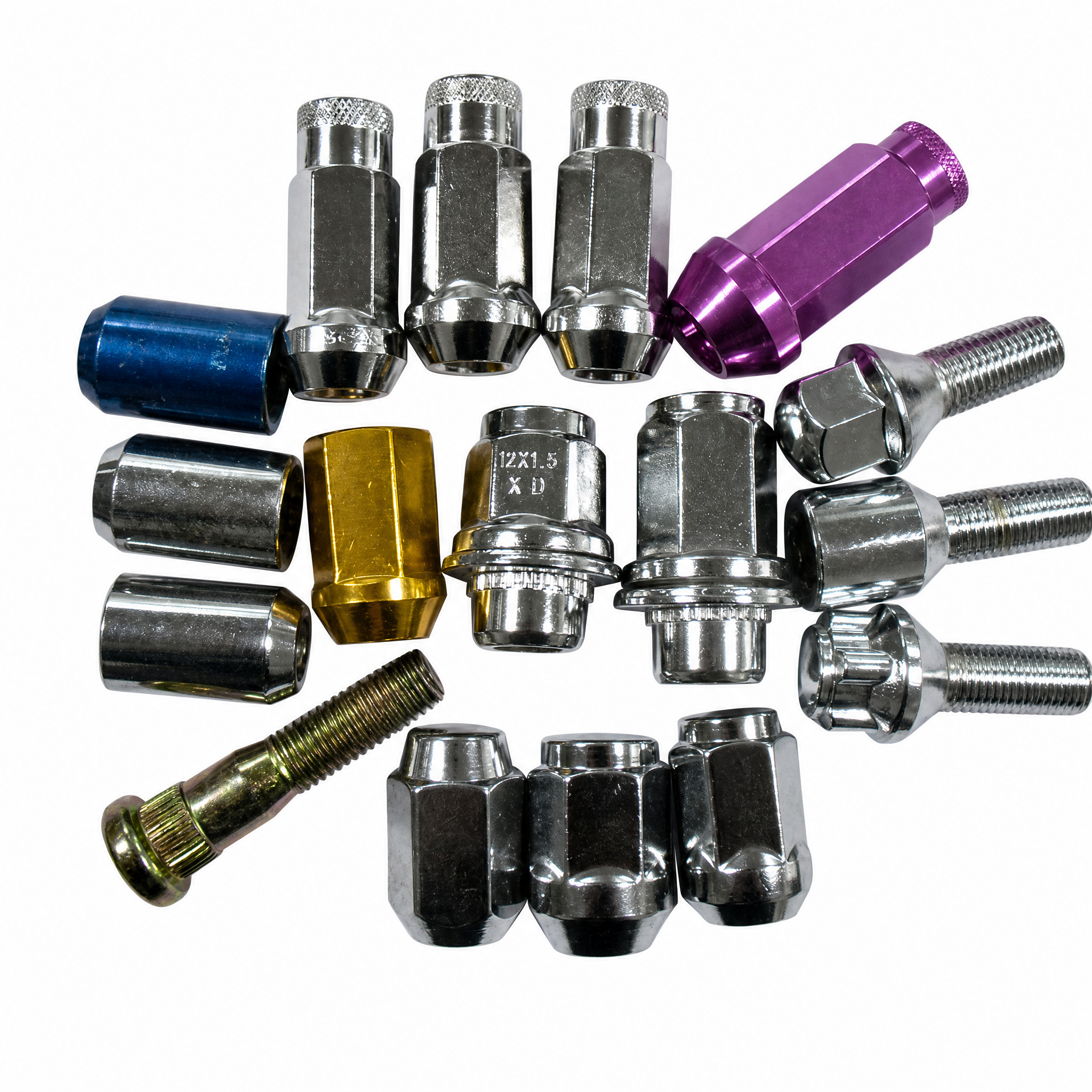
A profitable tire accessories assortment begins with a precisely optimized SKU mix. Vehicle fitment is the foundation: distributors must cover an extensive range of passenger cars, SUVs, light trucks, and commercial vehicles. Each model may require specific lug nuts, valve stems, and TPMS sensors, so cataloging by make, model, and year is essential. Seasonal demand further shapes inventory decisions—winter tire accessories such as snow chains, traction mats, and winter valve caps see sharp demand spikes from October to December, while summer off-road gear peaks in April and May. Sophisticated forecasting using historical sales data and weather patterns helps avoid both stockouts and costly overstock. Balancing SKU breadth with inventory depth is critical: too many slow-moving variants tie up capital, while too few frustrate professional installers. A data-driven approach—using point-of-sale trends and regional vehicle registration data—ensures the right mix is always in stock.
EV readiness is now a critical factor. Electric vehicles are heavier, accelerate faster, and require low-rolling-resistance tires, which in turn demand compatible accessories like reinforced TPMS sensors and high-torque wheel locks. Distributors who proactively add EV-specific SKUs gain a competitive edge as EV adoption accelerates.
Bundling High-Demand Tire Accessories for Margin Uplift and Cross-Sell
Bundling high-demand tire accessories transforms single-item purchases into profitable, multi-line transactions. When a buyer purchases a new set of tires, a strategically crafted bundle—including valve stems, balancing weights, and a tire repair kit—can increase average order value by 15–20%. This approach not only lifts overall margin but also encourages cross-sell of complementary items. Pre-assembled kits—such as a winter tire changeover package with bead sealer, metal valve caps, and a tire gauge—simplify the buying decision for both shops and end consumers. Distributors can further enhance margins by pairing high-margin accessories, like premium wheel locks, with fast-moving consumables. Bundles also reduce handling and shipping costs, as multiple items are picked and packed together.
To maximize effectiveness, analyze sales data to identify the most frequently co-purchased items—and create bundles that reflect real-world demand. This tactic is especially effective for seasonal campaigns, where a winter prep bundle can capture a larger share of the customer’s wallet. A well-executed bundling strategy boosts customer loyalty and creates a reliable revenue stream.
Sourcing and Positioning Tire Accessories for Distributor Advantage
Tiered Sourcing: Balancing Value, Warranty, and Lead Time Across TPMS, Wheels, and Alignment Tools
A well-structured tire accessories sourcing strategy enables distributors to meet diverse customer demands without overcommitting capital. For TPMS sensors, a three-tiered model works effectively: budget options from volume manufacturers offer competitive pricing and acceptable lead times of 14–21 days; mid-range suppliers provide extended warranties and faster restocking; and premium, close-to-market partners deliver just-in-time availability for high-turnover parts—cutting lead times to under a week. A 2023 aftermarket supply chain analysis found that adopting a tiered approach for wheels and alignment tools can reduce total landed cost by up to 15% and decrease stockouts by 22%. For aluminum wheels, balancing value tiers with seasonal demand helps avoid overstock during off-peak periods. This model also allows distributors to allocate warranty reserves more efficiently, as premium products carry longer coverage that reduces return-handling expenses. The key is to maintain a dynamic vendor matrix that adjusts order volumes based on real-time demand signals and lead-time performance data.
Value-Add Differentiation: Private Label, Kitting, and Technical Support Services
Beyond price, distributors can build defensible margins by offering private-label tire accessories. Custom-branded TPMS sensors, valve caps, or wheel weights let a distributor control pricing and brand loyalty while avoiding direct competition on national brands. Kitting high-demand items—such as a winter tire accessory bundle with sealant, lug nuts, and a portable compressor—creates a convenience-driven upsell that lifts average transaction value by 12–18%, according to a 2024 wholesaler survey. Technical support services further differentiate: providing on-demand calibration guidance for alignment tools or a dedicated hotline for TPMS reprogramming reduces returns and builds trust. When customers know they can access expert troubleshooting, they’re more likely to consolidate purchases with one supplier. These value-add layers transform a basic commodity sale into a full-service relationship—insulating the distributor from price-based erosion and fostering long-term customer retention.
FAQ Section
Why are tire accessories considered a growth driver in the auto aftermarket?
Tire accessories address both necessity and consumer preferences, offering safety, efficiency, and personalization options, especially as vehicles age and stay on the road longer.
How do trends like EV adoption and e-commerce affect tire accessory demand?
EVs require specialized accessories, and e-commerce enables customers to find and directly purchase products, prompting distributors to stock broader assortments.
What makes bundling tire accessories a profitable strategy?
Bundling increases average order value, simplifies purchase decisions, and encourages cross-sells, while also lowering shipping and handling costs.
How can distributors optimize sourcing strategies for tire accessories?
By applying tiered sourcing models, balancing warranty, value, and lead time, and dynamically adjusting vendor matrices based on real-time demand, distributors can improve efficiency and avoid stockouts.
What role do value-added services play in distributor differentiation?
Offering private-label products, kitting, and customer support services boosts customer loyalty and insulates distributors from price competition.
Table of Contents
- Why Tire Accessories Drive Growth in the Auto Aftermarket
- Building a Profitable Tire Accessories Assortment Strategy
- Sourcing and Positioning Tire Accessories for Distributor Advantage
-
FAQ Section
- Why are tire accessories considered a growth driver in the auto aftermarket?
- How do trends like EV adoption and e-commerce affect tire accessory demand?
- What makes bundling tire accessories a profitable strategy?
- How can distributors optimize sourcing strategies for tire accessories?
- What role do value-added services play in distributor differentiation?