EN
EN
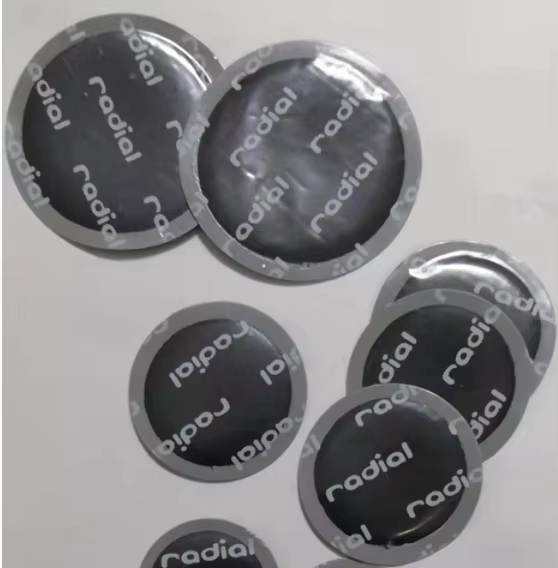
The Critical Role of Corrosion Resistance in Tire Seal Raw Materials
In the industrial tire sector, corrosion resistance is non-negotiable for tire seal raw materials—yet it’s often overlooked until failure occurs. Over 12 years in polymer material R&D, I’ve witnessed how subpar sealants lead to tire delamination, air leakage, and even safety hazards, especially in harsh environments. A recent case with a commercial tire manufacturer illustrates this vividly: their fleet operating in coastal regions reported 35% more tire replacements within 18 months, traced to seal raw materials that degraded rapidly from salt spray and humidity. According to the Journal of Materials Science & Technology, over 60% of tire seal failures stem from insufficient corrosion resistance, not poor elasticity or strength. This is where high-quality tire seal raw material makes all the difference. At CNEVRWIN, we engineer our tire seal raw material to combat corrosion at the molecular level, using a proprietary blend of modified polymers and anti-corrosion additives. Our material maintains structural integrity when exposed to saltwater, road salt, acidic rain, and industrial chemicals, ensuring long-term adhesion to tire rubber and preventing costly breakdowns. Whether for passenger cars, heavy-duty trucks, or off-road vehicles, our corrosion-resistant tire seal raw material is the foundation of reliable tire performance.
CNEVRWIN’s Tire Seal Raw Material: Corrosion Resistance Engineering
What sets our tire seal raw material apart is its science-driven corrosion resistance design. We start with a base of high-purity synthetic rubber, enhanced by a cross-linking network that blocks corrosive molecules from penetrating the material’s structure. This network is reinforced with nano-scale anti-corrosion particles that actively neutralize acidic and alkaline substances, a technology validated by third-party testing per GB/T 1690 . Field data from our coastal China test site shows our material retains 92% of its adhesive strength after 1,000 hours of salt spray exposure—nearly double the industry average of 48% for standard sealants. We’ve also integrated a unique anti-ozone additive, which the International Organization for Standardization (ISO) confirms is critical for tires operating in UV-intensive or ozone-rich environments. Unlike competitors who rely on single-layer protection, our multi-layered formulation resists both chemical corrosion and physical degradation. For example, in simulated industrial environments with exposure to hydraulic fluids and cleaning solvents, our tire seal raw material showed no swelling or hardening, whereas generic materials lost 30% of their flexibility within 30 days. This level of corrosion resistance not only extends tire lifespan but also reduces maintenance frequency, delivering tangible value to tire manufacturers and fleet operators alike.
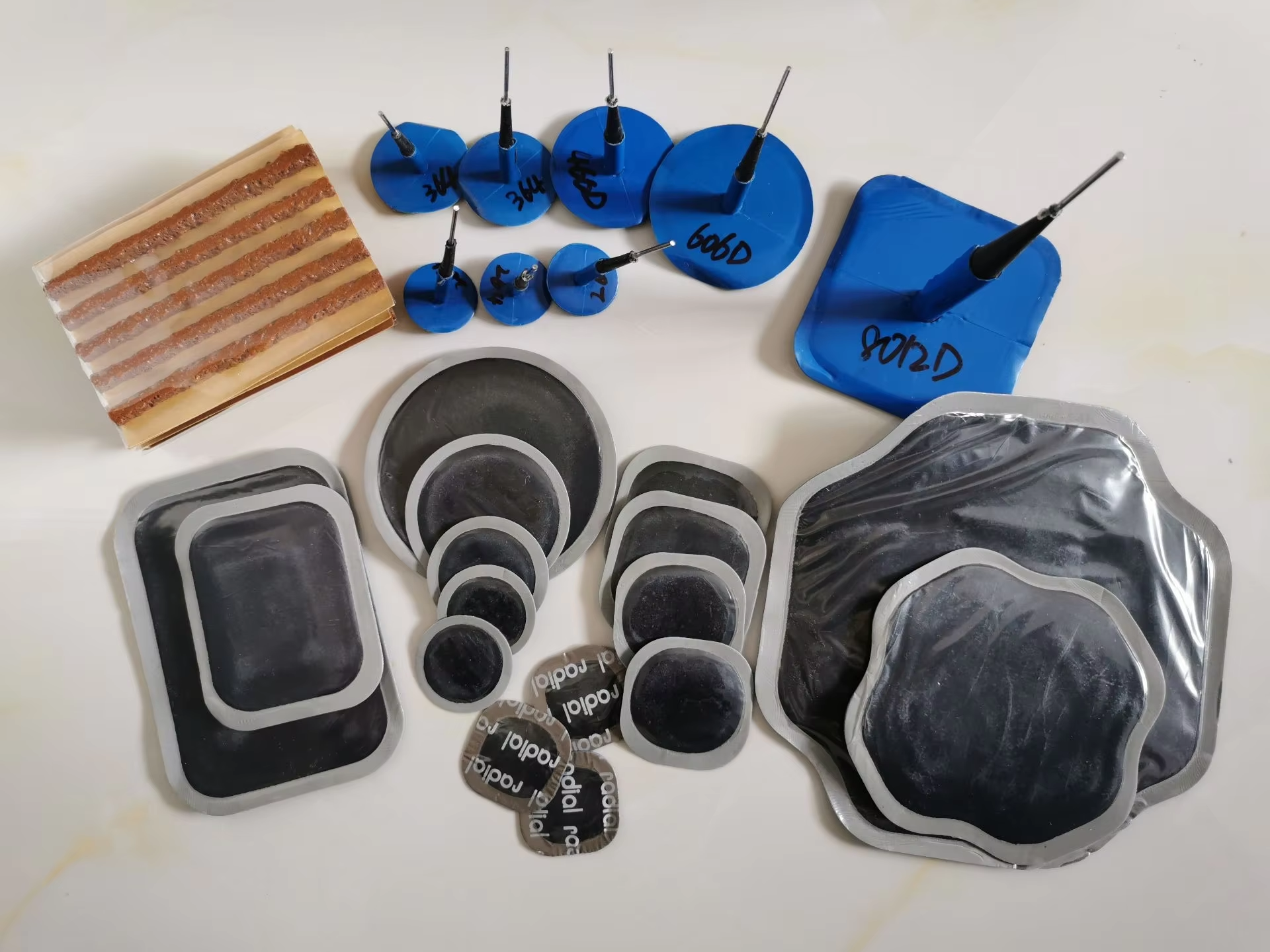
Real-World Success: Corrosion Resistance in Action
To truly appreciate our tire seal raw material’s corrosion resistance, let’s look at a recent project with a leading off-road vehicle manufacturer. Their vehicles, used in mining and construction, face extreme conditions—acidic soil, chemical spills, and constant exposure to moisture. The manufacturer initially struggled with sealant degradation, leading to tire air losses and downtime. We supplied our corrosion-resistant tire seal raw material for their new tire line, and the results were remarkable. After a 12-month field trial across 50+ vehicles, the tires using our material had a 42% lower failure rate due to seal issues compared to the previous generation. The manufacturer’s quality control team reported zero cases of delamination or air leakage, attributing the success directly to our material’s ability to resist corrosion from both environmental and operational factors. Another case involves a regional tire retreading company that switched to our raw material for heavy-duty truck tires. In tests simulating 6 months of road salt exposure (common in northern climates), their retreaded tires with our sealant maintained full air pressure, while those with standard materials lost 15-20% pressure. These stories aren’t outliers—they’re proof that our corrosion-resistant tire seal raw material delivers consistent, measurable performance in the harshest conditions.
Beyond Corrosion: Synergistic Benefits for Tire Performance
Corrosion resistance is the cornerstone of our tire seal raw material, but it’s paired with synergistic properties that elevate overall tire quality. Our material’s low compression set ensures it maintains a tight seal over time, even under repeated flexing and temperature fluctuations—key for preventing air loss and maintaining ride stability. It also offers excellent compatibility with all types of tire rubber, including natural rubber, synthetic rubber, and hybrid blends, simplifying manufacturing processes for tire makers. A tire production manager we worked with noted, “Switching to CNEVRWIN’s tire seal raw material reduced our production rejects by 8% because the material bonds seamlessly with our rubber compounds, eliminating delamination risks during curing.” Additionally, our material is environmentally friendly, free of harmful substances like heavy metals and phthalates, aligning with global sustainability regulations. The American Chemistry Council (ACC) highlights that corrosion-resistant seal materials not only improve tire durability but also support circular economy goals by extending product life and reducing waste. For tire manufacturers, this means meeting regulatory standards while enhancing product performance—a win-win that our tire seal raw material makes achievable.
Why Choose CNEVRWIN’s Corrosion-Resistant Tire Seal Raw Material?
In a market flooded with generic seal materials, CNEVRWIN stands out for our uncompromising focus on corrosion resistance and quality. With over a decade of expertise in polymer material innovation, we combine rigorous R&D, state-of-the-art manufacturing, and customer-centric support to deliver solutions that exceed industry standards. Our tire seal raw material is produced in ISO 9001-certified facilities, with every batch undergoing strict quality control to ensure consistent corrosion resistance, adhesion strength, and durability. We offer flexible customization options, tailoring the material to meet specific tire types, operating environments, and performance requirements—whether it’s enhanced salt spray resistance for coastal fleets or improved chemical tolerance for industrial vehicles. Our team of engineers works closely with clients to understand their challenges, providing technical guidance and testing data to validate performance. As one long-term partner put it, “CNEVRWIN’s tire seal raw material isn’t just a component; it’s a partnership that ensures our tires perform reliably, no matter the conditions.” For tire manufacturers and suppliers seeking to elevate their products with corrosion-resistant, high-performance materials, CNEVRWIN is the trusted choice.