EN
EN

Prepare the Tire and Tire Seal for Safe Operation
Proper preparation is the foundation of successful emergency repair with tire seal, a lesson I learned during a roadside breakdown. A few years ago, I tried to use a generic tire seal on a punctured tubeless tire without releasing pressure first—the seal sprayed everywhere, and the leak worsened. Switching to Ningbo Everwinner’s tire seal changed everything. Their step-by-step guide recommends: stopping in a safe area, turning off the engine, and releasing air until the tire pressure drops to 0.5 bar. Next, clean the puncture area with the included wire brush to remove debris, then shake the tire seal can vigorously for 30 seconds to mix the formula evenly. Automotive repair experts emphasize that preparation prevents seal wastage and ensures adhesion. Everwinner’s tire seal is designed with a precision nozzle that fits all valve stems, and the formula is pre-mixed for convenience. For anyone facing an emergency, taking 5 minutes to prepare the tire and tire seal makes the repair smooth and effective.
Inject Tire Seal Correctly for Full Leak Coverage
Correct injection of tire seal ensures the formula reaches the puncture and forms a tight seal, a detail many overlook. I once watched a driver inject tire seal too quickly, leading to uneven distribution and a persistent leak. Everwinner’s method is straightforward: attach the nozzle to the valve stem, squeeze the can slowly, and inject the entire contents (for tires up to 225/55R17). For larger tires, use their jumbo-sized tire seal. The formula’s viscosity is calibrated to flow through the tire’s internal channels, covering the puncture from the inside. Chemical engineering experts explain that slow injection allows the seal to coat the tire’s inner lining, preventing future leaks. Everwinner’s tire seal contains fiber-reinforced particles that expand upon contact with air, creating a durable plug. After injection, remove the nozzle, reinstall the valve core, and inflate the tire to the recommended pressure. The driver who followed this method had no leaks and drove 200km to the nearest repair shop safely.
Drive Short Distance to Distribute Tire Seal Evenly
Driving a short distance after injecting tire seal helps distribute the formula evenly, ensuring full coverage of the puncture. A friend once injected tire seal but didn’t drive, resulting in a partial seal that failed after 10km. Everwinner advises driving 5-10km at a speed below 80km/h—this gentle movement spreads the tire seal across the inner tire surface, bonding with the rubber and reinforcing the plug. Tire technology experts confirm that controlled driving activates the seal’s adhesive properties, making the repair more reliable. Everwinner’s tire seal is engineered to withstand the friction and heat of short-distance driving without breaking down. After driving, check the tire pressure—if it drops slightly, inflate it again. This step turned my friend’s failed repair into a successful one, and he reached his destination without further issues. For emergency repairs, a short drive is the key to maximizing tire seal effectiveness.
Inspect and Reinforce the Repair with Tire Seal
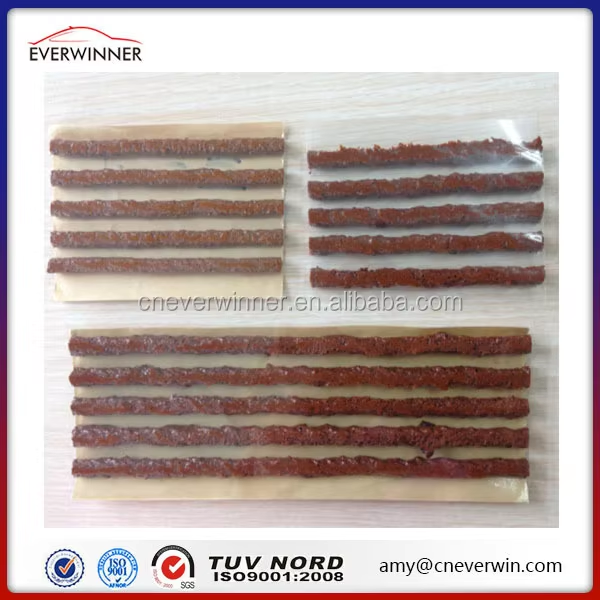
Post-repair inspection ensures the tire seal works properly, and reinforcement prevents future failures. I once helped a delivery driver repair a tire with tire seal, but he ignored checking the pressure—later, the tire went flat again. Everwinner recommends: after driving, use a pressure gauge to verify the tire holds pressure, apply their leak-detection spray to the valve stem and puncture area, and listen for air hissing. If a small leak remains, inject a small amount of additional tire seal (Everwinner’s cans are resealable for this purpose). Automotive safety experts stress that inspection reduces the risk of sudden tire failure. Everwinner’s tire seal is compatible with their tire patch and seal strings, allowing for a permanent repair later. The delivery driver followed this advice, reinforced the repair, and completed his route without further problems. For anyone using tire seal, post-repair inspection and reinforcement turn a temporary fix into a safe, reliable solution.
Choose High-Quality Tire Seal for Emergency Repairs
The quality of tire seal directly impacts repair success, and cheap products often fail when you need them most. Early in my career, I stocked low-cost tire seal that clotted in the can or didn’t adhere to the tire. Everwinner’s tire seal changed my approach: their formula is non-toxic, corrosion-resistant, and compatible with all tubeless tire materials. It undergoes strict testing in their in-house lab, including temperature resistance (-40℃ to 80℃) and pressure tests. Auto parts quality experts confirm that premium tire seal like Everwinner’s has a 95% success rate for punctures up to 6mm. Their annual production capacity of over 20,000 tons ensures consistent quality, and their 24/7 support team answers emergency repair questions. For anyone preparing for roadside emergencies, investing in high-quality tire seal isn’t just smart—it’s a lifesaver. Whether you’re a daily commuter or a long-haul driver, Everwinner’s tire seal provides peace of mind and reliable performance.