EN

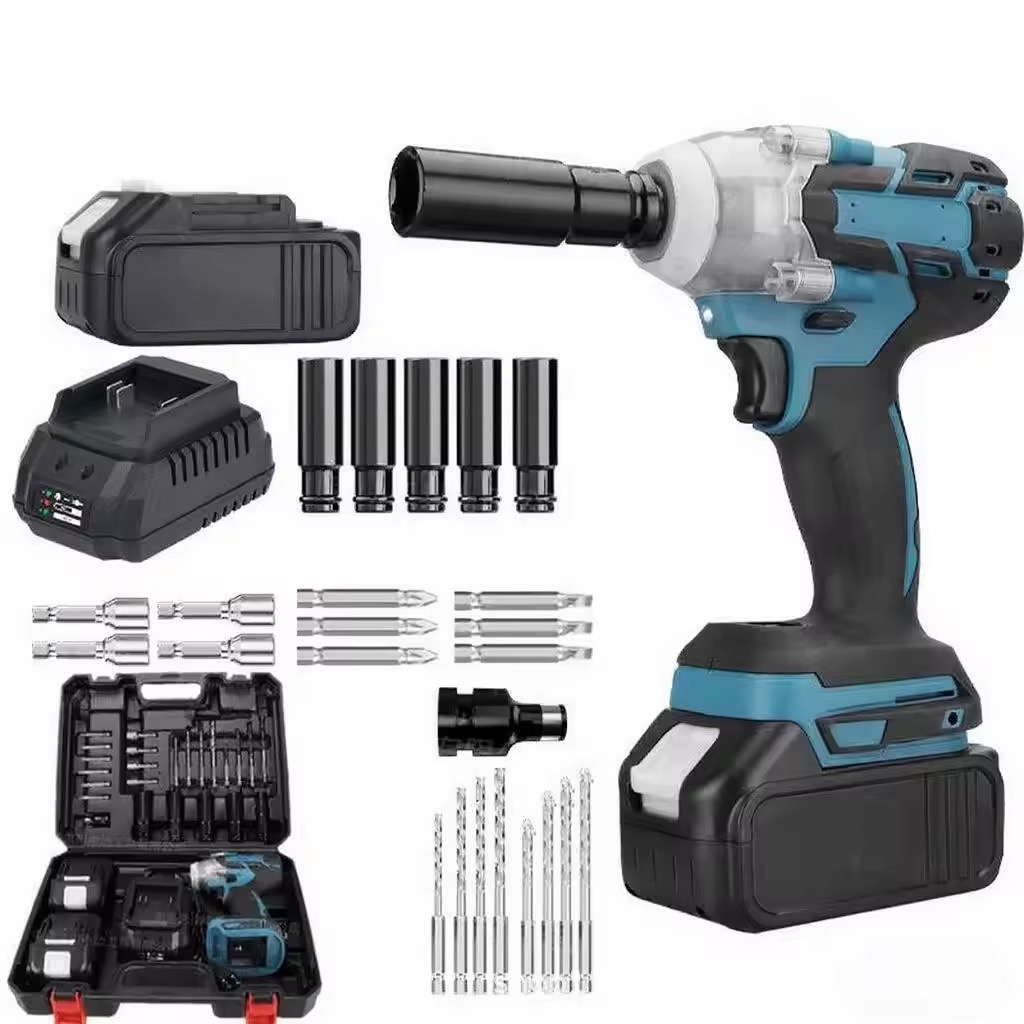
How Battery Impact Wrenches Deliver and Control Torque
Motor, Hammer Mechanism, and Electronic Clutch Integration
A battery impact wrench converts high motor RPM into controlled bursts of rotational force. An electric motor drives a planetary gear set to reduce speed while multiplying torque—enough to overcome spring tension in the hammer mechanism. As the motor rotates, the hammer accelerates and strikes the anvil, transferring kinetic energy through the socket to tighten or loosen fasteners. Electronic controls adjust motor RPM and impacts per minute via base-handle buttons. More advanced models integrate an electronic clutch that stops or slows the motor when preset conditions—like loss of free rotation—are met, enabling repeatable run-down modes. However, this system does not measure actual clamp load. Unlike a manual click-style wrench, it regulates speed and hammer force—not calibrated torque. Output remains sensitive to battery state, anvil wear, and joint stiffness. Understanding this chain helps operators select appropriate settings—and underscores why preset modes must be paired with a separate torque verification step.
Real-World Example: DCF899B’s 3-Speed + Auto-Stop Logic (SAE J2755 Validated)
The DeWalt DCF899B illustrates how motor, hammer, and electronics interact in a high-torque cordless impact wrench. Its 3-speed selector adjusts both motor RPM and impact frequency: low speed for small fasteners, medium for general assembly, and high for maximum breakaway torque. Auto-stop logic monitors anvil rotation and cuts power when the joint no longer turns freely—reducing but not eliminating over-torque risk. SAE J2755 validation provides a standardized lab-based reference for repeatability under controlled conditions, confirming the tool’s electronic limits. Yet real-world variables—battery voltage drop, socket engagement quality, and joint stiffness—still influence final clamp load. Technicians commonly use high-speed mode for initial run-down, then finish tightening with a calibrated manual wrench. This workflow reflects a practical truth: even SAE-validated auto-stop systems support torque adjustment rather than replace it. For critical fasteners—especially in automotive wheel service—a final torque audit remains essential.
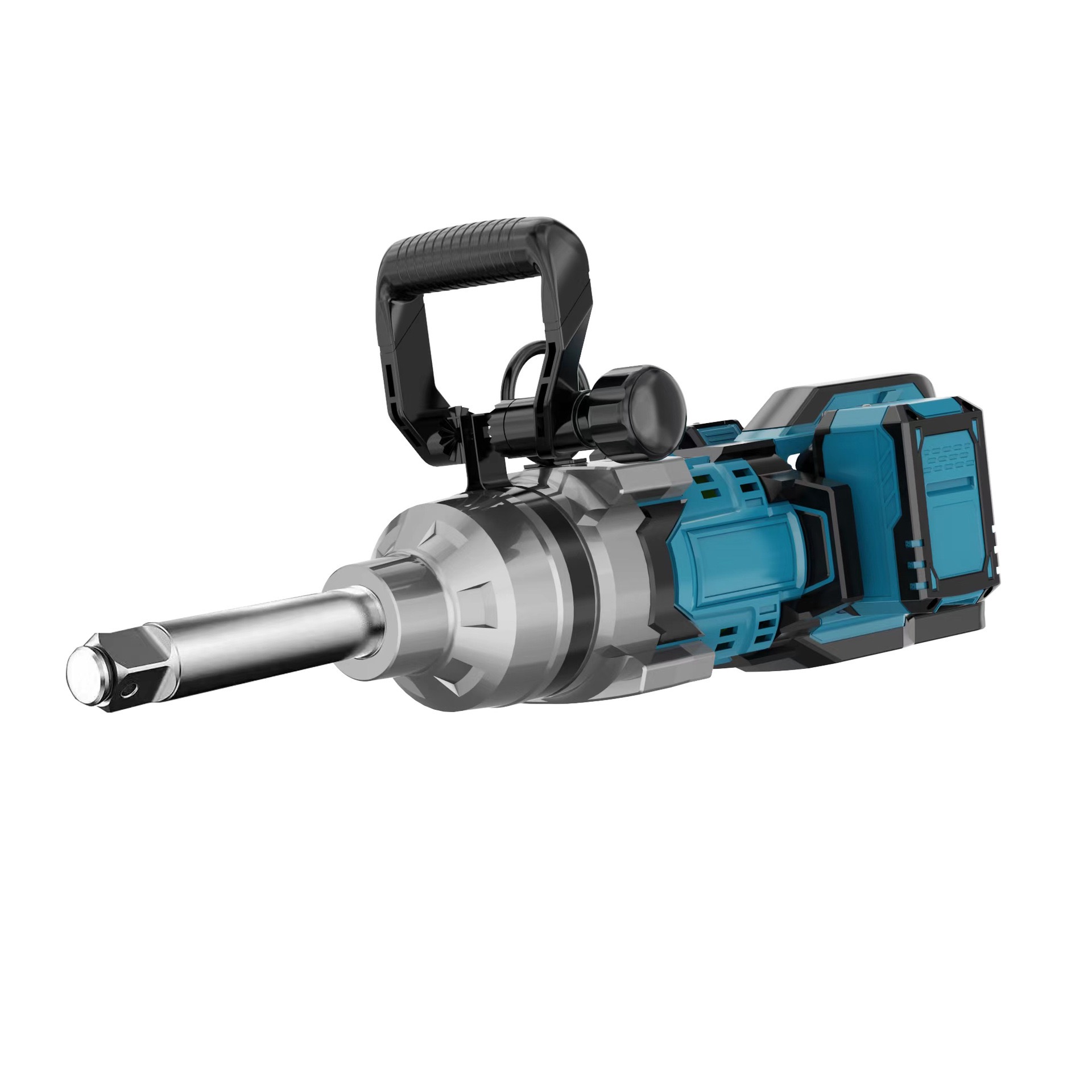
Consequences of Incorrect Torque on Fastened Assemblies
Incorrect torque from a battery impact wrench creates two critical failure paths: immediate thread damage and delayed joint failure—both compromising safety and durability.
Thread Stripping and Bolt Failure in Lightweight Materials (e.g., Aluminum Wheel Hubs)
Aluminum wheel hubs and similar lightweight alloys have significantly lower shear strength than steel. Over-torque causes soft aluminum threads to strip before the bolt yields—reducing clamp load and increasing the risk of fastener loosening or ejection. Excessive torque can also warp brake rotors and crack alloy rims. In production, it raises defect rates, rework, and scrap; in the field, failures may appear later because internal thread damage is often hidden. Even modest over-torque—just a few Newton-meters—can exceed the yield strength of small-diameter fasteners. Once threads yield, the joint cannot regain original clamp load. Battery-powered tools without calibrated torque control heighten this risk. Precise adjustment keeps aluminum threads within safe stress limits: a single over-torqued lug nut can compress the hub and reduce thread engagement, while repeated cycles cause micro-cracking at thread roots. Technicians should slow down and verify each fastener’s torque value before moving to the next wheel.
Safety Risks from Under-Torque (Loose Fasteners) and Over-Torque (Hidden Yield Damage)
Under-torque results in insufficient clamp load (preload), allowing vibration to gradually loosen fasteners—especially dangerous on rotating assemblies. A loose wheel fastener can back out completely, causing sudden component separation. It also permits joint movement, leading to fretting, wear, and fatigue cracking. Over-torque poses a subtler but equally serious hazard: bolts stretched beyond yield strength may not fracture immediately, yet microcracks form internally, making them prone to sudden failure under later service loads. Over-torqued fasteners can also strip internal threads or crush gaskets and electrical connectors. Both error modes increase safety risks for workers and end users—and trigger product recalls, equipment malfunction, and manufacturer liability. A consistent torque adjustment routine prevents hidden yield damage and loose joints. Always rely on calibrated or verified torque settings—not subjective “tightness.”
True Torque Control: Capabilities and Limitations of Modern Battery Impact Wrenches
Why Most Battery Impact Wrenches Lack ISO 6789 Calibration and Real-Time Feedback
Most battery impact wrenches generate torque through hammer-and-anvil impacts—not continuous rotary motion—making real-time torque measurement technically impractical. While electronic clutches may estimate torque using motor current or impact counts, they do not directly measure output at the fastener. ISO 6789 calibration applies specifically to hand torque tools with traceable, verified accuracy; impact wrenches are generally not engineered or certified to this standard. As a result, they cannot deliver repeatable, documented torque values required for precision assembly tasks. Users needing verifiable torque control must pair these tools with a calibrated torque wrench or digital torque audit system.
Bridging the Gap: ETL Labs Benchmark Reveals ±25% Variance at Common Torque Settings
ETL Labs’ 2023 benchmark data shows that even preset torque modes on modern battery impact wrenches exhibit ±25% variance at common settings—meaning a target of 100 ft-lb may actually deliver 75–125 ft-lb. This range is too wide for precision joints. The variation stems from dynamic real-world factors: declining battery voltage, worn or misaligned sockets, and changes in joint stiffness—all of which shift impact energy. Without closed-loop feedback, the tool cannot adapt in real time. The benchmark confirms why critical applications still require post-impact torque verification.
Industry-Specific Torque Requirements and the Need for Precision Adjustment
EV Battery Pack Assembly: <±5% Tolerance Demands vs. Standard Preset Limitations
EV battery pack assembly demands exceptional precision—attaching busbars, module interconnects, and high-voltage terminals requires clamping force within ±5% of target torque. Standard battery impact wrenches rely on preset speed and impact settings rather than calibrated torque transducers, so output drifts with variable joint stiffness and battery charge level. That drift risks loose electrical connections—or over-compressed busbars—raising contact resistance and thermal stress. Without closed-loop feedback, the tool cannot confirm compliance with assembly specifications. For critical battery joints, precision adjustment and validated settings are non-negotiable.
FAQ
1. How does a battery impact wrench work?
A battery impact wrench uses an electric motor to drive a hammer mechanism that converts high rotational speed into controlled bursts of torque. This force is then transferred through a socket to tighten or loosen fasteners.
2. Can battery impact wrenches measure torque accurately?
No, most battery impact wrenches are not designed for real-time torque measurement or ISO 6789 calibration. They generate torque through a hammer-and-anvil mechanism, and their output may vary based on factors like battery state, anvil wear, and joint stiffness.
3. What are the risks of over-torquing fasteners?
Over-torquing can cause thread stripping or bolt failure, especially in lightweight materials like aluminum. It can also damage brake rotors, alloy rims, gaskets, and other components, increasing safety risks and repair costs.
4. Why should torque be verified with a separate tool?
Battery impact wrenches often have a high variance in torque output due to dynamic factors like battery charge or joint stiffness. A calibrated torque wrench or digital torque audit system is necessary for accurate and repeatable torque verification.
5. Why is precision torque important for EV battery pack assembly?
EV battery packs require very precise torque (within ±5%) for secure connections of busbars, module interconnects, and high-voltage terminals. Standard battery impact wrenches cannot meet these precision requirements without external torque verification tools.