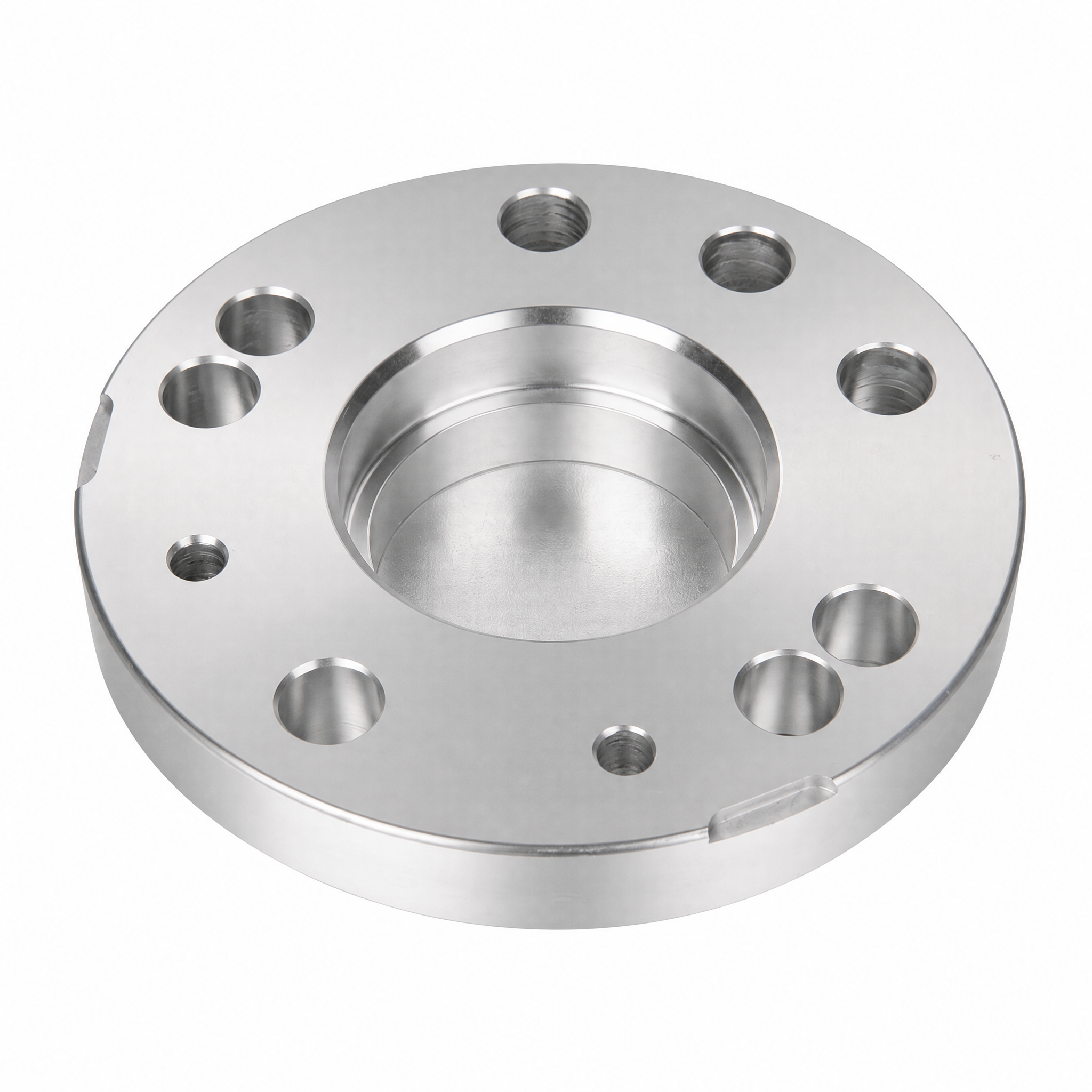
Why Wheel Spacer Installation Requires Precision Offset PlanningUnderstanding Wheel Offset and Its Impact on Handling, Clearance, and Suspension GeometryWheel offset—marked as “ET” followed by a millimeter value—defines the distance between the wheel...
VIEW MORE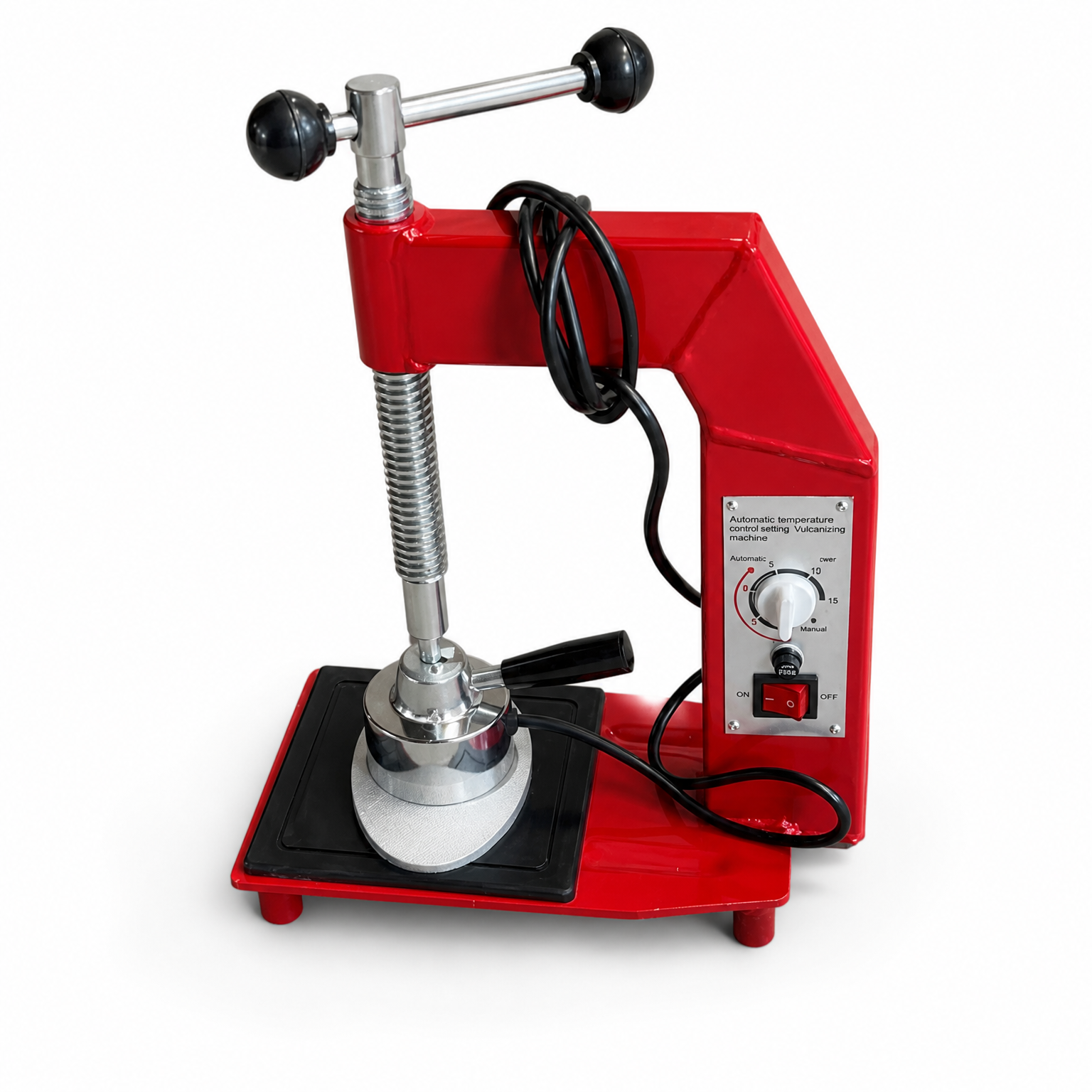
Understanding Core Tire Accessories and Their Fleet ImpactDefining Critical Tire Accessories: Valves, Mounting Kits, Wheel Fasteners, and Traction AidsCommercial vehicle tire systems extend well beyond the rubber. Proper tire accessories—valves, moun...
VIEW MORE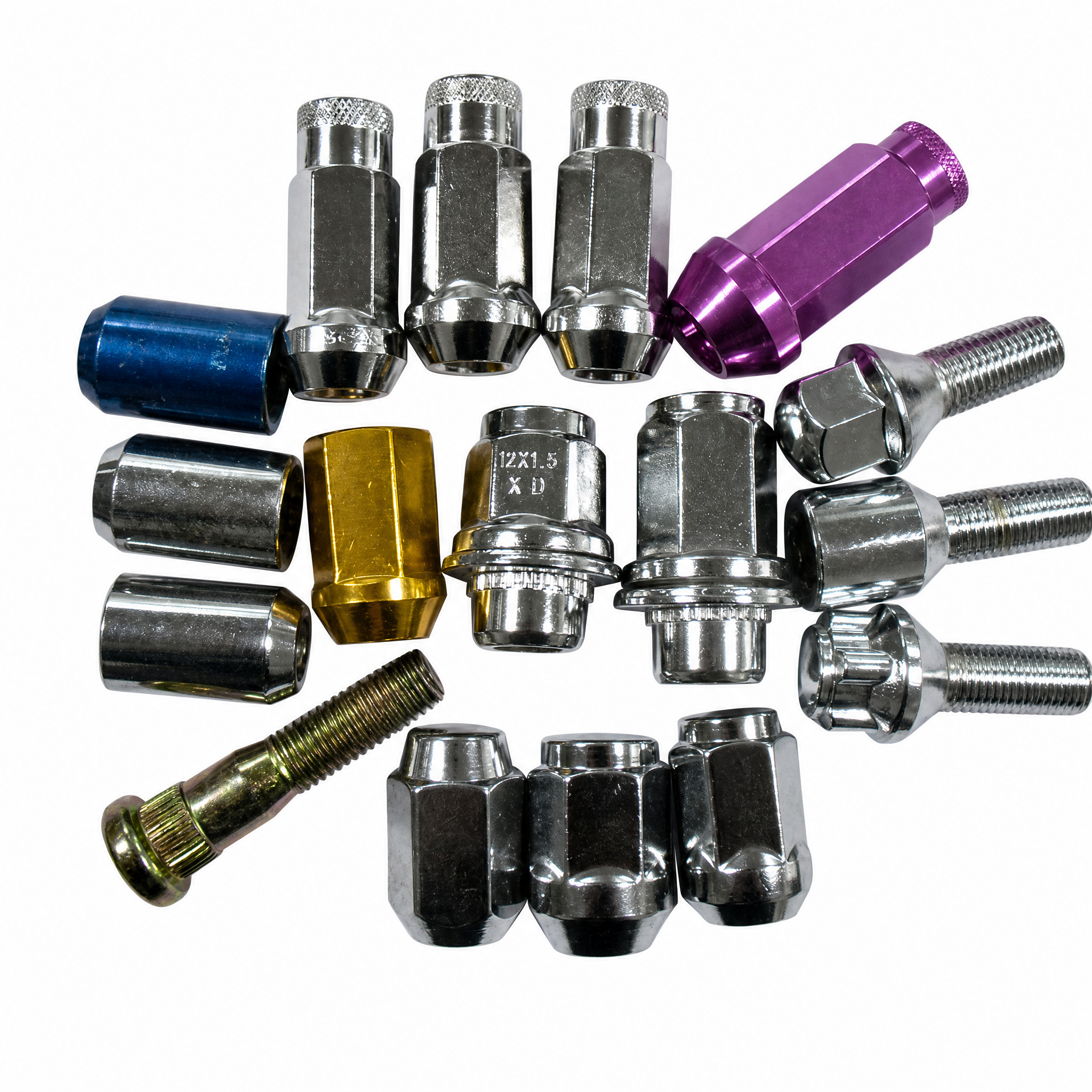
Why Wheel Nut Bolt Custom Sizing Is Critical for OEM Assembly Precision Vehicle-platform-specific thread dimensions (e.g., M20×1.5, 9/16-18) and their impact on joint integrity Custom thread dimensions directly determine how clamping force is...
VIEW MORE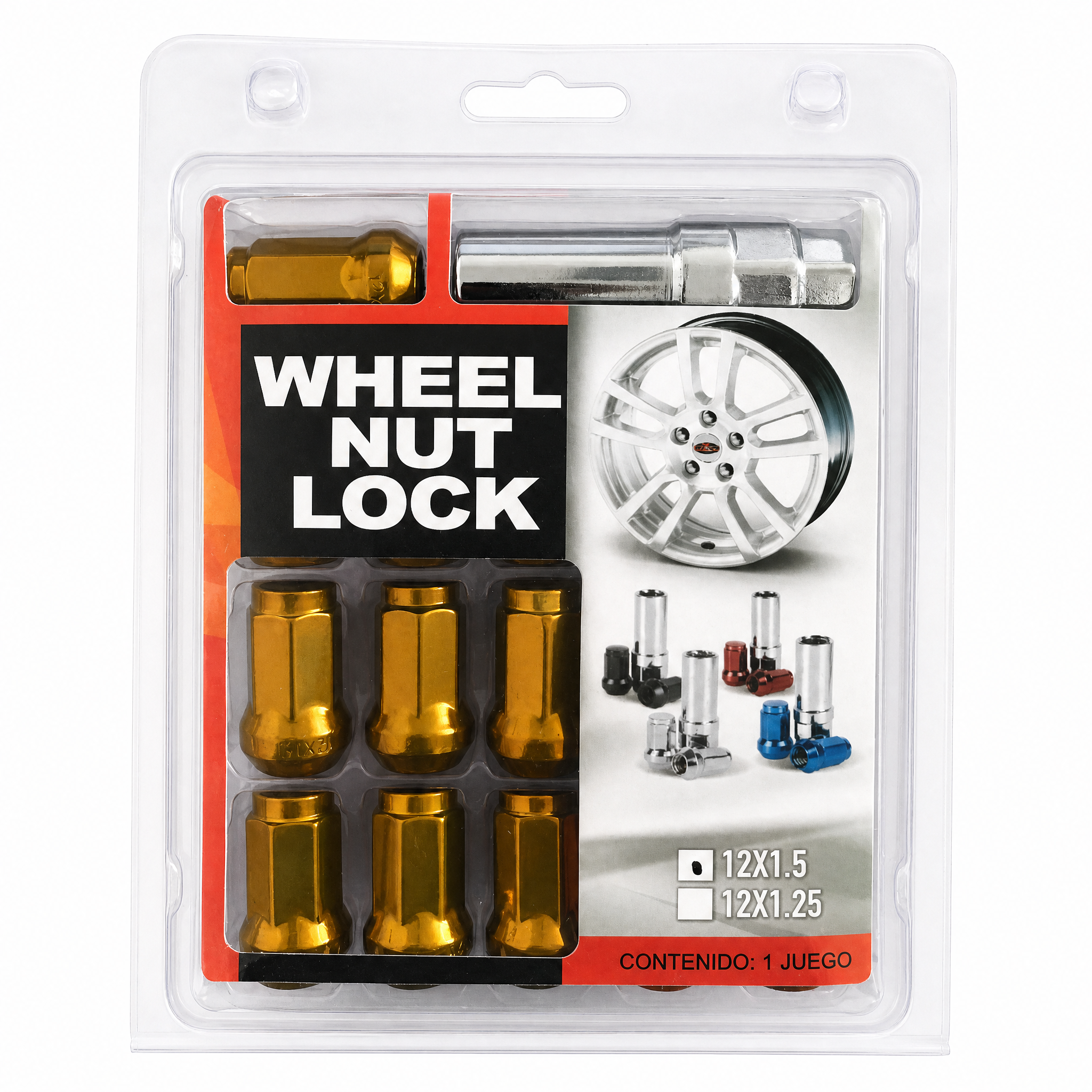
Why Wheel Nut Bolt Loosening Poses a Critical Safety Risk The physics of vibration-induced preload loss in wheel nut bolts A wheel nut bolt secures the wheel assembly to the hub by generating clamping preload—a tensile force that locks the jo...
VIEW MORE
The Critical Link Between Tire Jack Placement and Slip Prevention The relationship between tire jack placement and operational safety is direct and non-negotiable. A correctly positioned jack creates a stable lift by channeling the vehicle’s ...
VIEW MORE
Why Tire Accessories Drive Growth in the Auto AftermarketThe global auto aftermarket is expanding rapidly, fueled by a growing vehicle parc and aging fleets that require more frequent replacement parts. Within this landscape, tire accessories represe...
VIEW MORE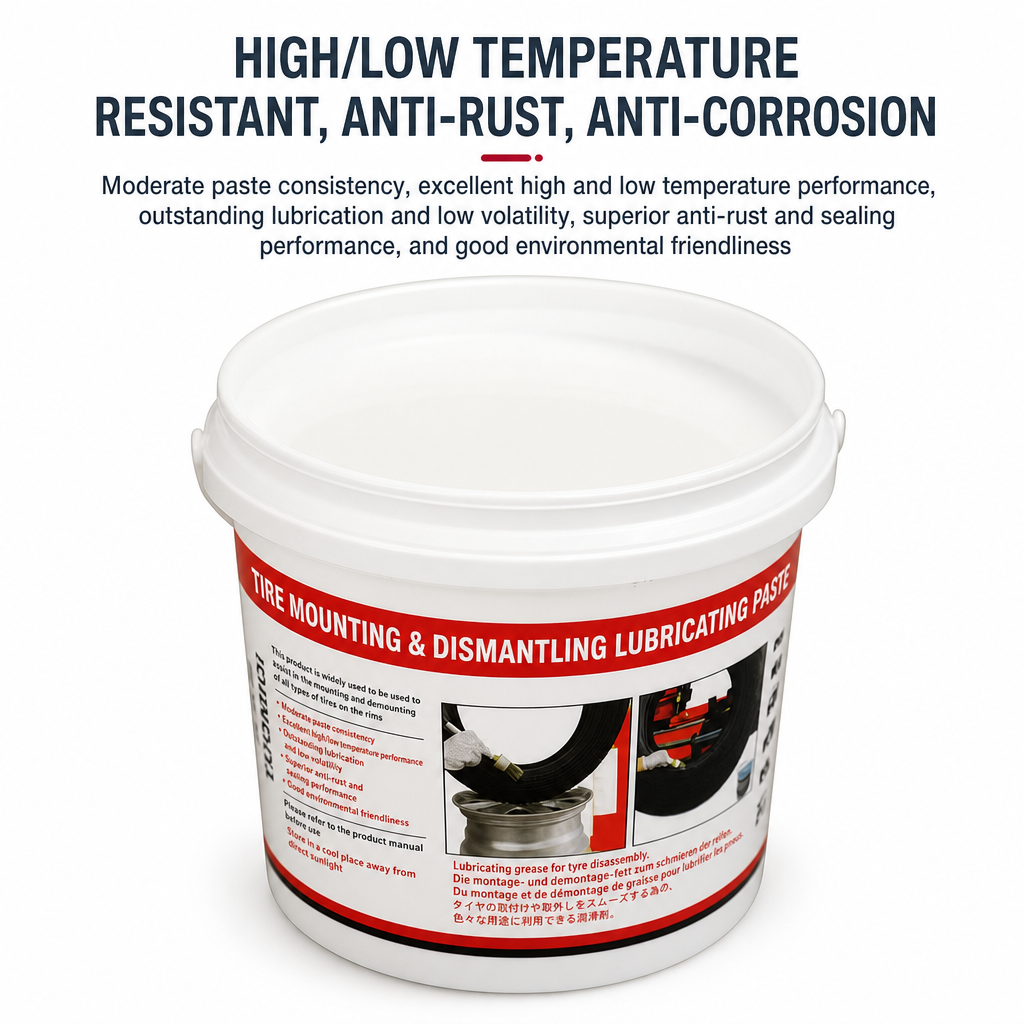
Why Tire Mounting Paste Prevents Rim Scratches During Installation The Role of Viscosity and Adhesion in Bead Seating Protection Tire mounting paste forms a durable, high-viscosity film that separates the tire bead from the rim flange during seat...
VIEW MORE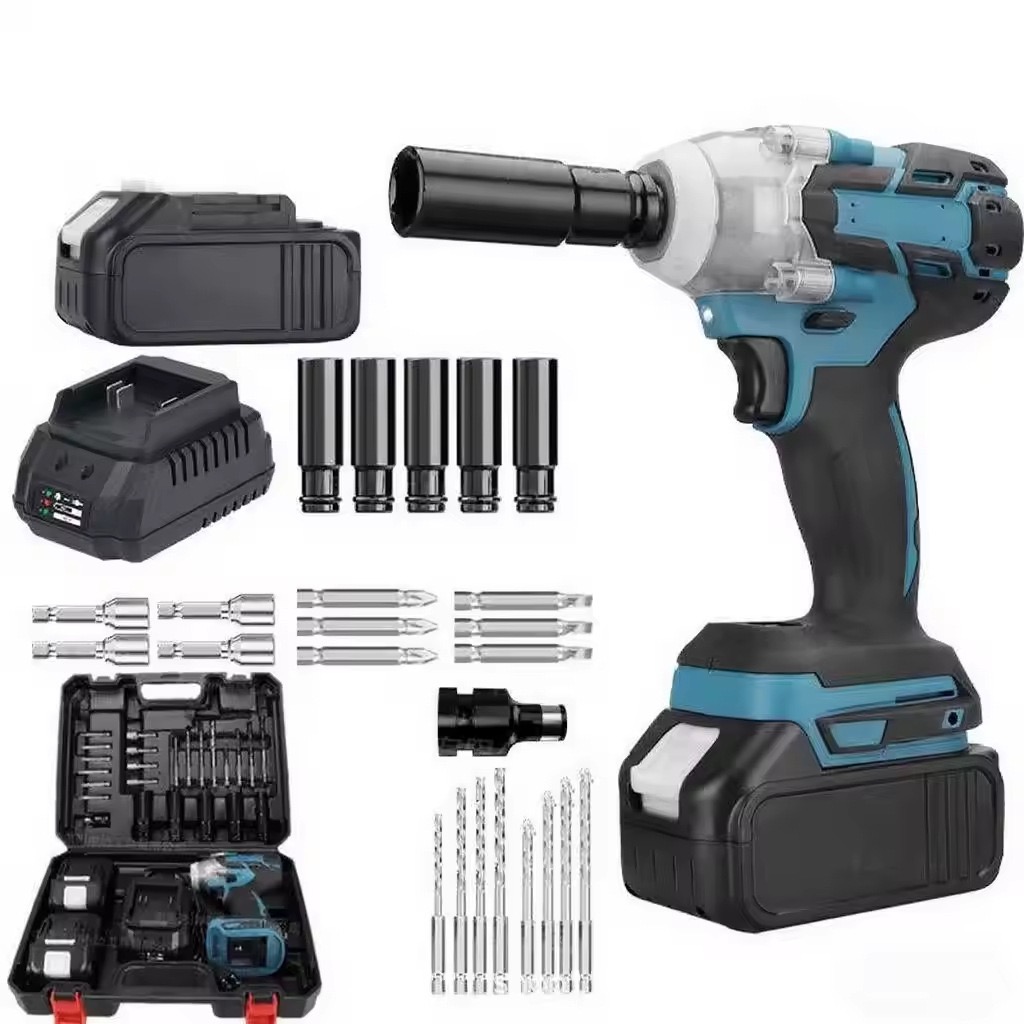
Why an Air Impact Wrench Is the Optimal Tool for Lug Nut RemovalTorque Multiplication and Hammer Mechanism: The Physics Behind Fast, Low-Effort LooseningAn air impact wrench converts compressed air into rapid rotary impacts via an internal hammer-and...
VIEW MORE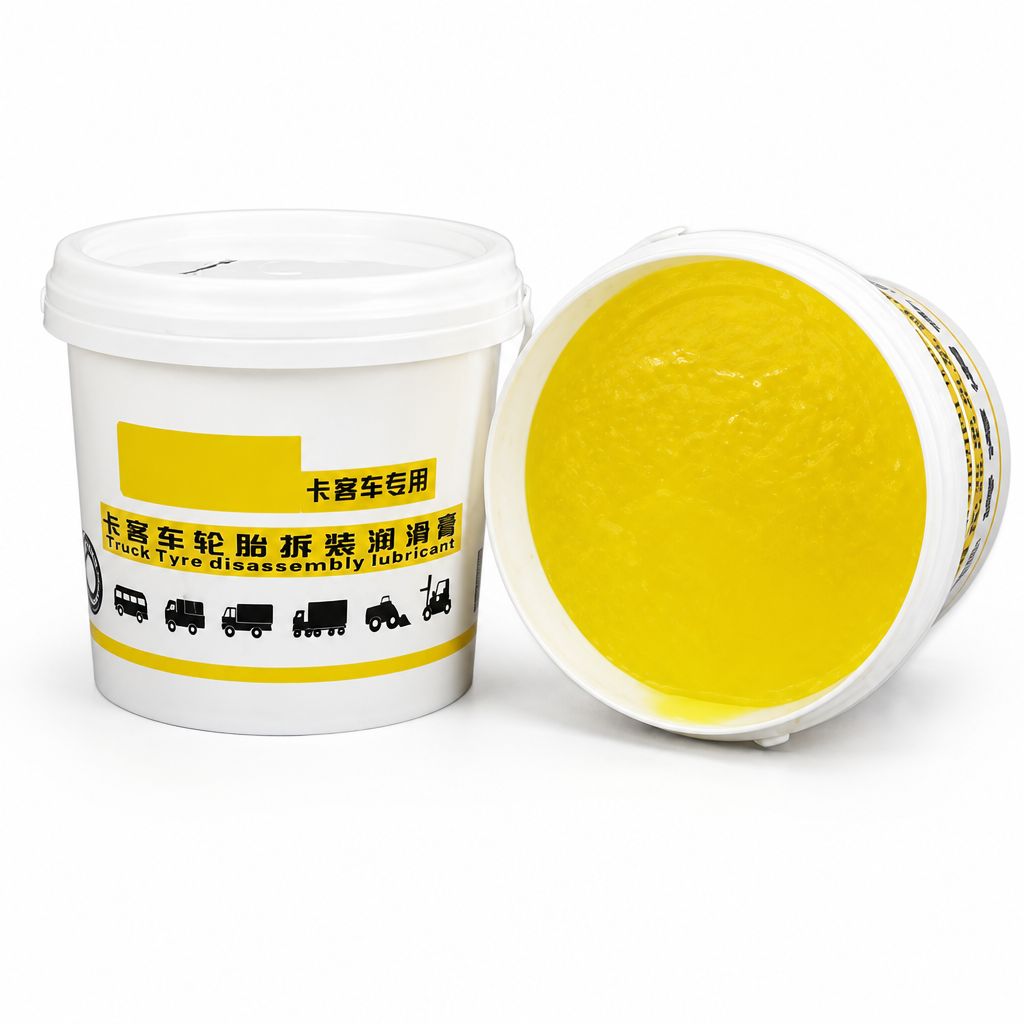
Why Even Coating Is the Primary Determinant of Tire Mounting Paste SuccessThe Bead Seating Failure Cascade: How Inconsistent Coverage Triggers Air Leaks and RetriesWhen tire mounting paste is applied unevenly, the bead seating process becomes a casca...
VIEW MORE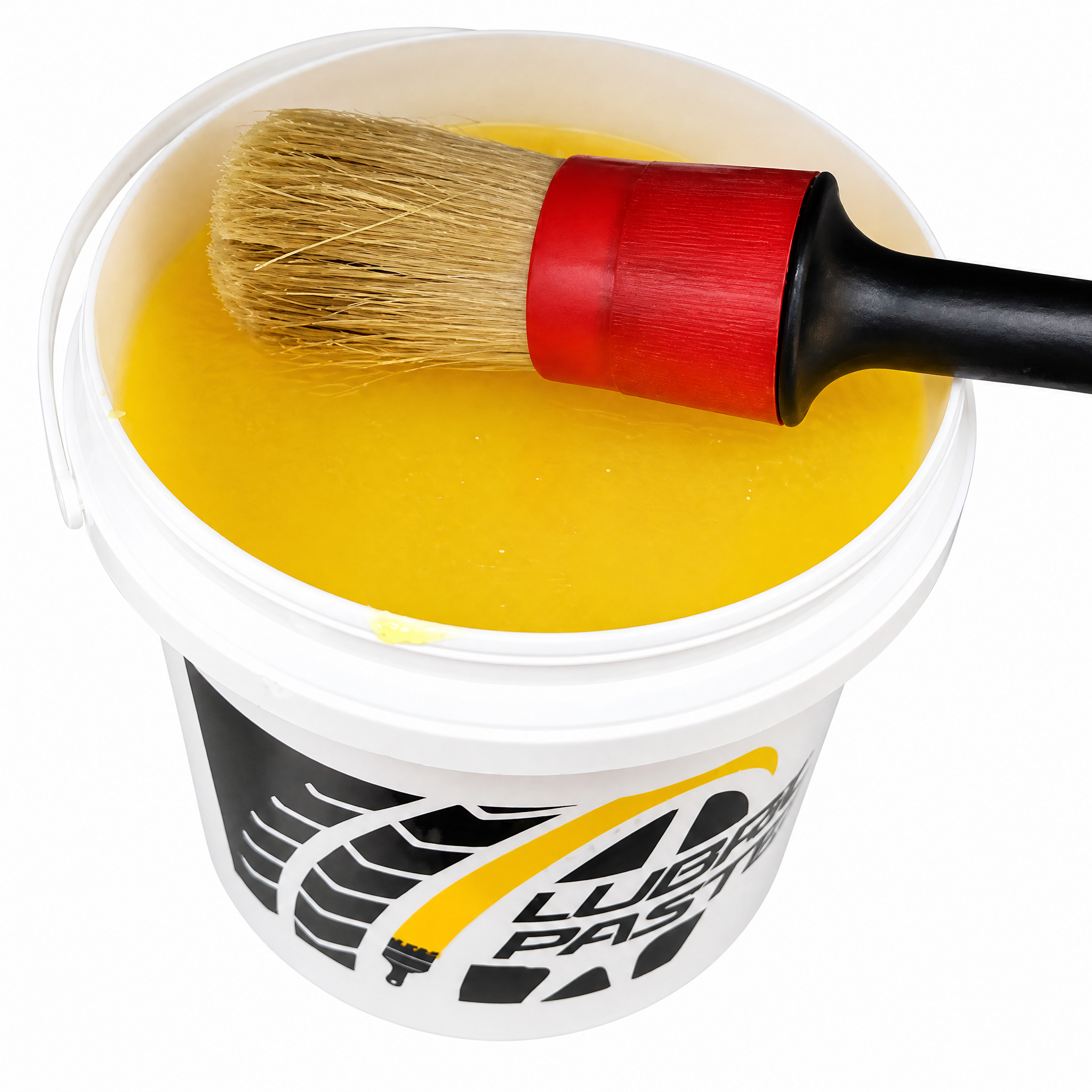
The Science of Viscosity: Why Rheology Dictates Bead Seating Success The rheological properties of a tire mounting paste determine how smoothly the bead slides over the rim and locks into place. Viscosity—the fluid’s resistance to flow—is the central...
VIEW MORE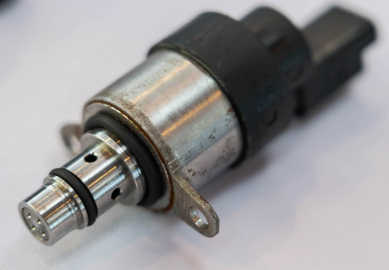
Blog Abstract: Maintaining the surface finish of tire service tools—such as forged steel tire irons, valve tools, and shop levers—is crucial for functional performance, wheel protection, and tool longevity. Harsh solvents, abrasive clea...
VIEW MORE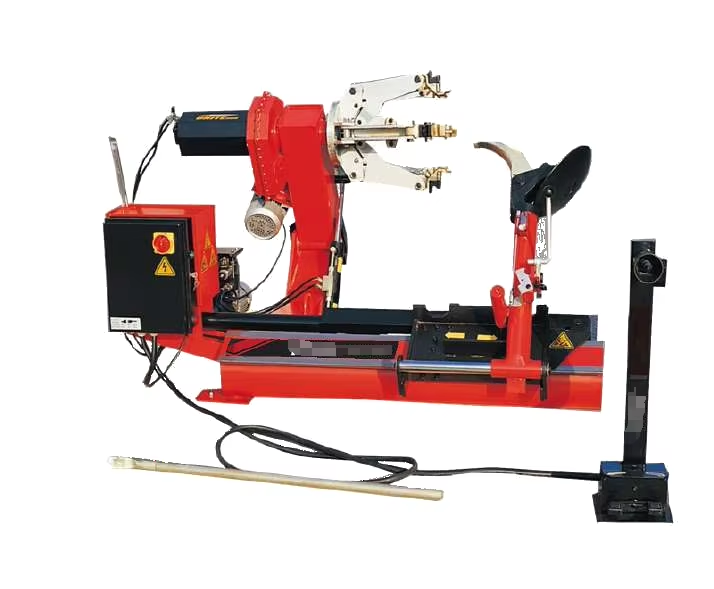
Blog Abstract: Achieving a precise wheel balance depends heavily on the physical properties of the balance weight—specifically its material density. As environmental regulations phase out traditional lead weights, shop owners and technicians ...
VIEW MORE
Copyright © 2026 by Ningbo Everwinner Auto Parts Co., Ltd.
 EN